Izmir, Türkiye
Love and hate on the Aegean. This is NOT a travel post.
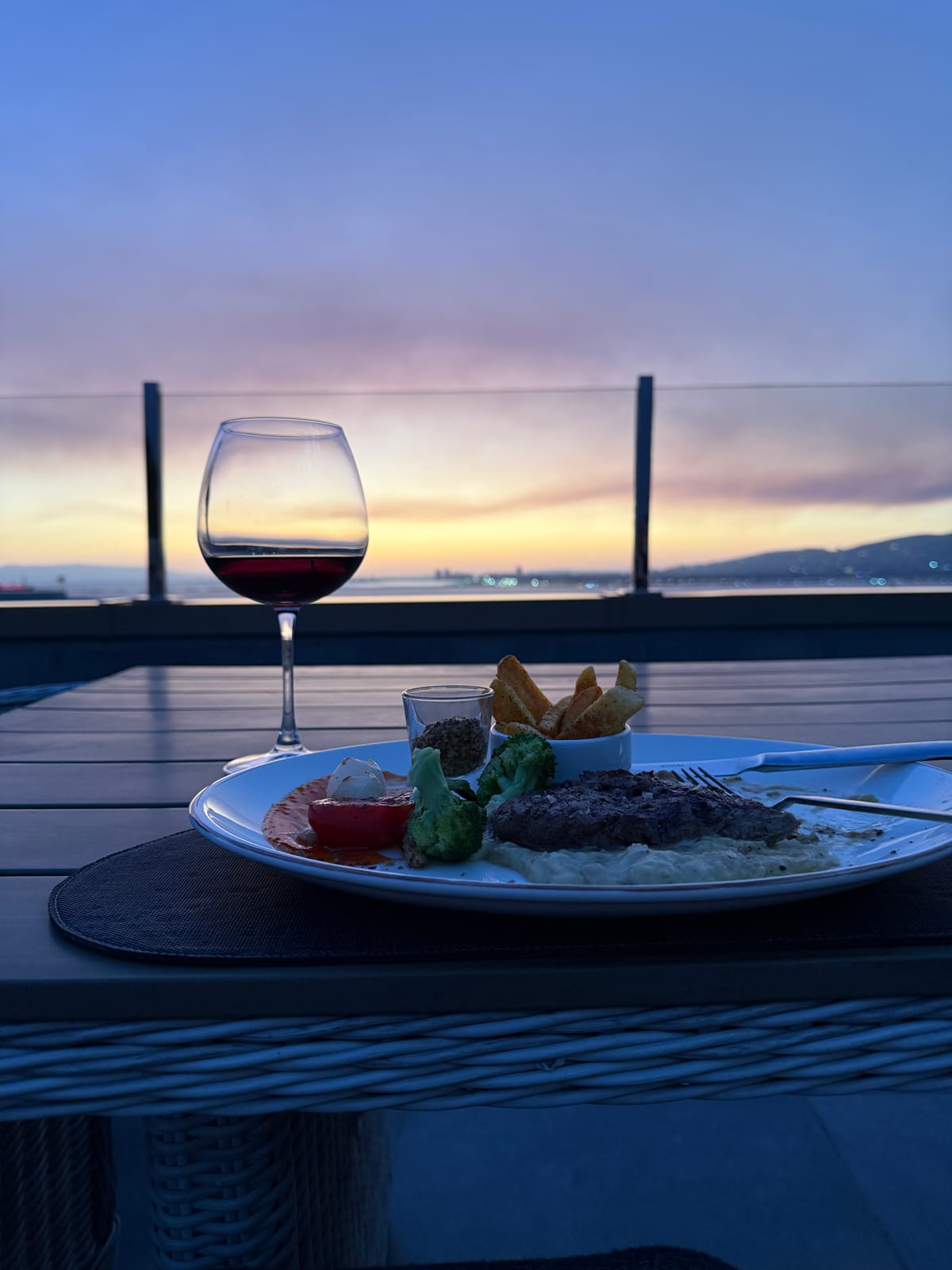
Date Night in Izmir, Türkiye
We were in a hotel in downtown Izmir, the city where my husband and I met about thirty-five years ago. The city has expanded and is now ten times the size it was when I lived there during the first Gulf War.1 Bayrakli, the area of town where no one ventured because of the nasty smell from the leather factories, is now clean, manicured, and the place to go in the city.
The weekend was busy. We attended a family event on the first night, followed by a visit to lifelong friends the next day, during which we spoke only Turkish, which was stressful for me. My Turkish is rudimentary at best, and although I’m re-learning it, having to spend hours understanding on my own without translation was difficult.
And it was in Izmir, with my ever-hovering cloud of memories.
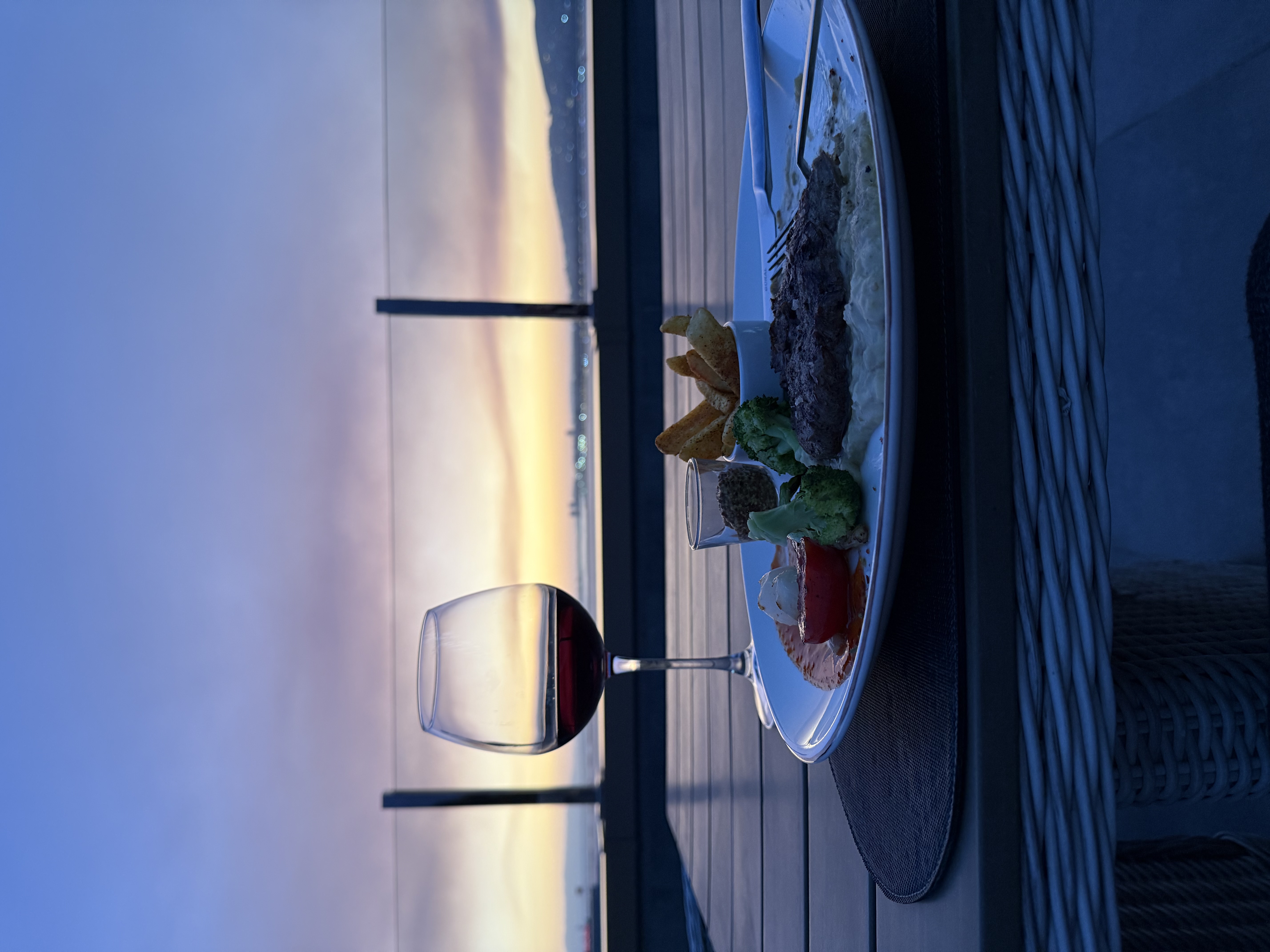
Where is Izmir?
Izmir is located on the western coast of Türkiye, a few hours south of Istanbul, across the Aegean from Athens, Greece. I first came here in 1989, having understood from the Air Force military information packet that the city had been redesigned using Tampa, Florida's city plan. But that was then.
There have been dramatic changes since that redesign. With a broad parklike walkway that extends for miles along the bay, the city has a coastal, laid-back vibe similar to many Mediterranean towns. To my advantage, the speech patterns are slower and much easier for me to discern, especially compared to the rapid-fire conversations held in Istanbul, including the almost incomprehensible speech of my Istanbul-born husband.
And My Past Collides Violently With My Present
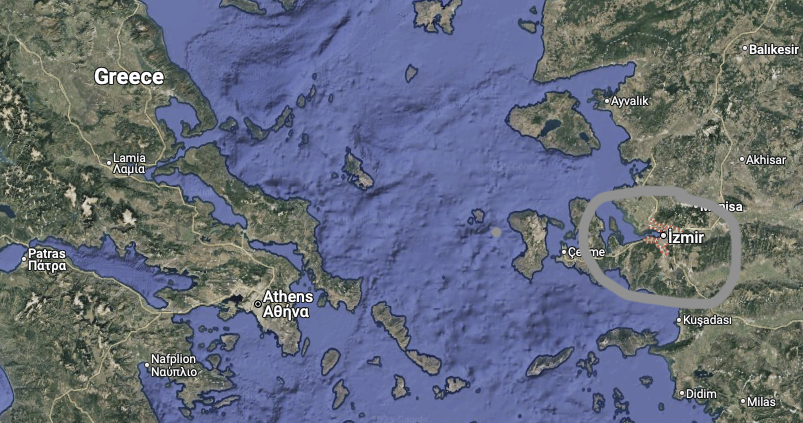
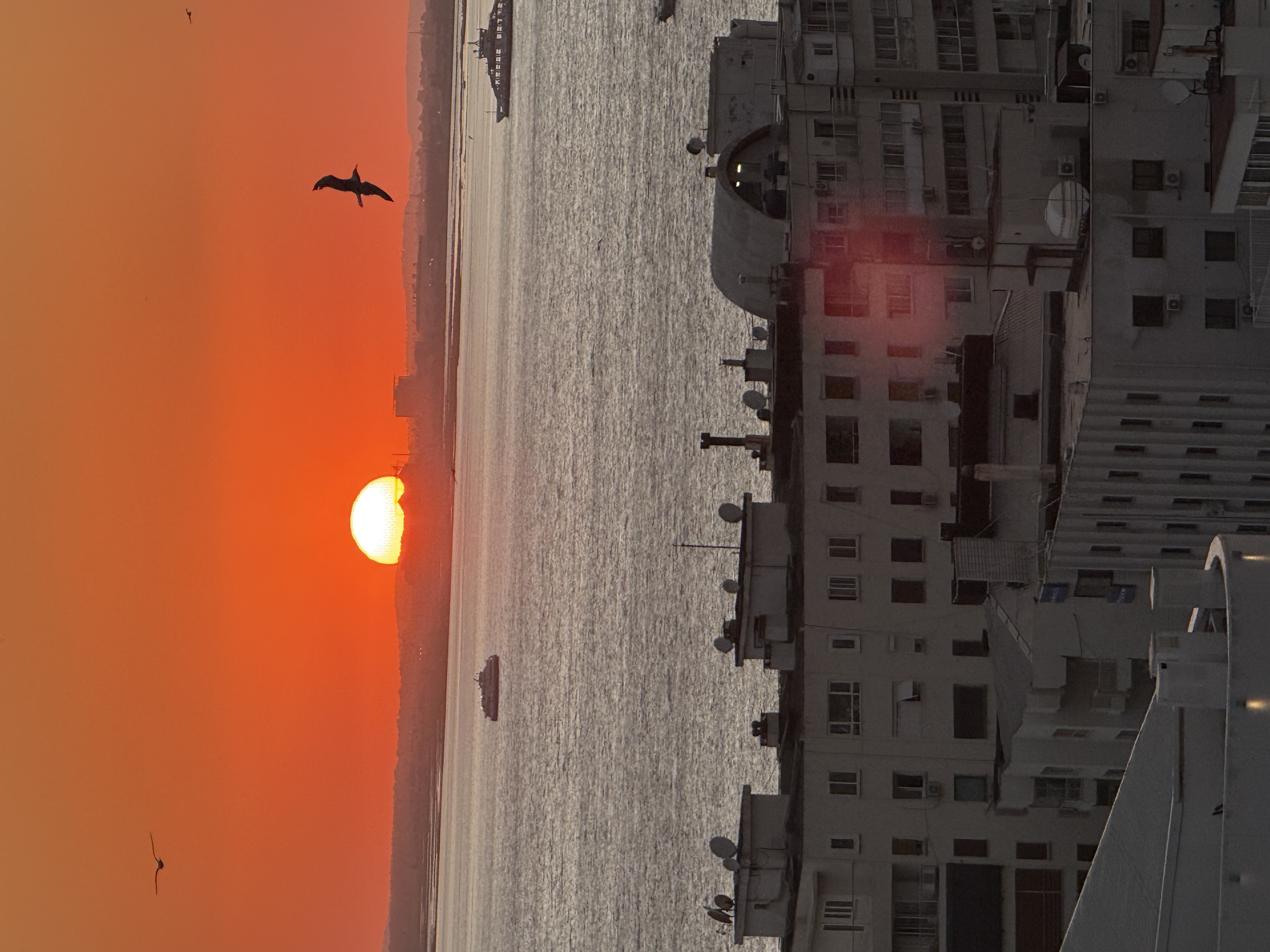
As we watch the sun slowly set and the ferries run back and forth between Alsancak and Karşıyaka, I am bombarded with memories. Izmir is where I learned what a bomb going off sounds like. I discovered Kameralta, the winding ancient shopping district, where I learned to be comfortable with Türkiye. This is the city where the shopkeepers knew me as the colorful American woman they saw every day, who walked everywhere. They protected me from being cheated when buying things, helping me find my way out of the maze when I got lost.
But mostly this is the city where I lived with a prior American spouse, one who had significant mental and physical issues that had been diagnosed, but ignored by him and hidden from me. What does this mean? I lived for almost a year here with a crazy man, one who refused, I learned later, to take his medications (that I had no idea he was supposed to take). Married only a few months, the chaplain quickly realized that his new wife cussed like a sailor and insisted on breaking every Air Force rule she could find. It wasn’t a good fit.
Rock and Roll Sundays
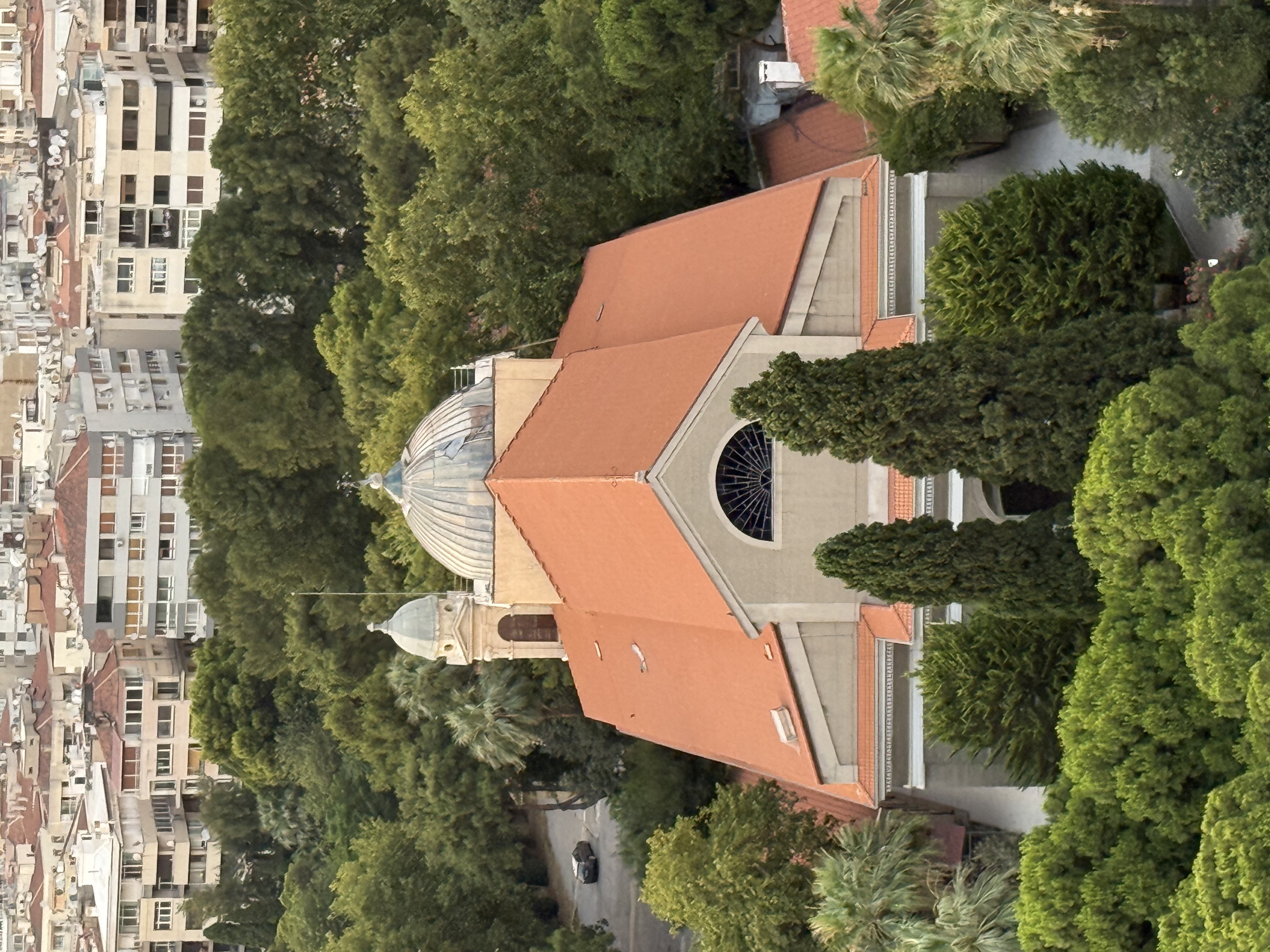
Each Sunday, I attended the church depicted in the photo below. There were three services every week, and he preached at all of them, rotating with other pastors assigned to the Izmir military community. My favorite was the Black service. (Yes, they were segregated in 1989, whether voluntarily or otherwise, I have no idea.)
The white service was stale and boring. Poor singing, uninterested parishioners, you get the picture. But the one I attended rocked. They stood, danced, clapped, and sang their hearts out. The service was peppered with “amens.” Then, after the service, we went our separate ways. I headed to my life in Mithatpaşa by the sea, with its fabulous view, and they went inland to Buca, where they had tiny, cramped apartments. Complaining to my then-military officer spouse was of no use. It was the military. With no base, they supplied housing where they wanted.
When A Door Closes, Another Always Opens
No one knew what to expect with Saddam Hussein. When Desert Storm began, all mail was stopped. All flights were cancelled. The only thing connecting me to home was an AT&T telephone card, which allowed me to dial a special number to an operator in New York who could then connect me to my mother every Tuesday in South Carolina.
Every week, the operator would ask me what was happening “over there.” Was I ok? Was there anything she could do to help me? And every week, I responded that I only needed to talk with my mother, but I truly appreciated her concern. Why Tuesday? Because I required order, a schedule, something to look forward to every week to get me through the chaos.
I would not have survived this ordeal without the help of so many Turks. Due to the circumstances (a story all to itself), I was unable to leave Izmir, temporarily trapped. As part of my schedule, I taught English at a military school for Turkish officers several days a week. It took my mind off things and helped me learn about Türkiye. Added to my sanity schedule was an afternoon walk with my neighbor across the street, who was one of my students. That three-hour walk each afternoon kept me from losing my mind. He was an Army officer hoping to work as a diplomat in the future. And he knew my spouse was crazy.
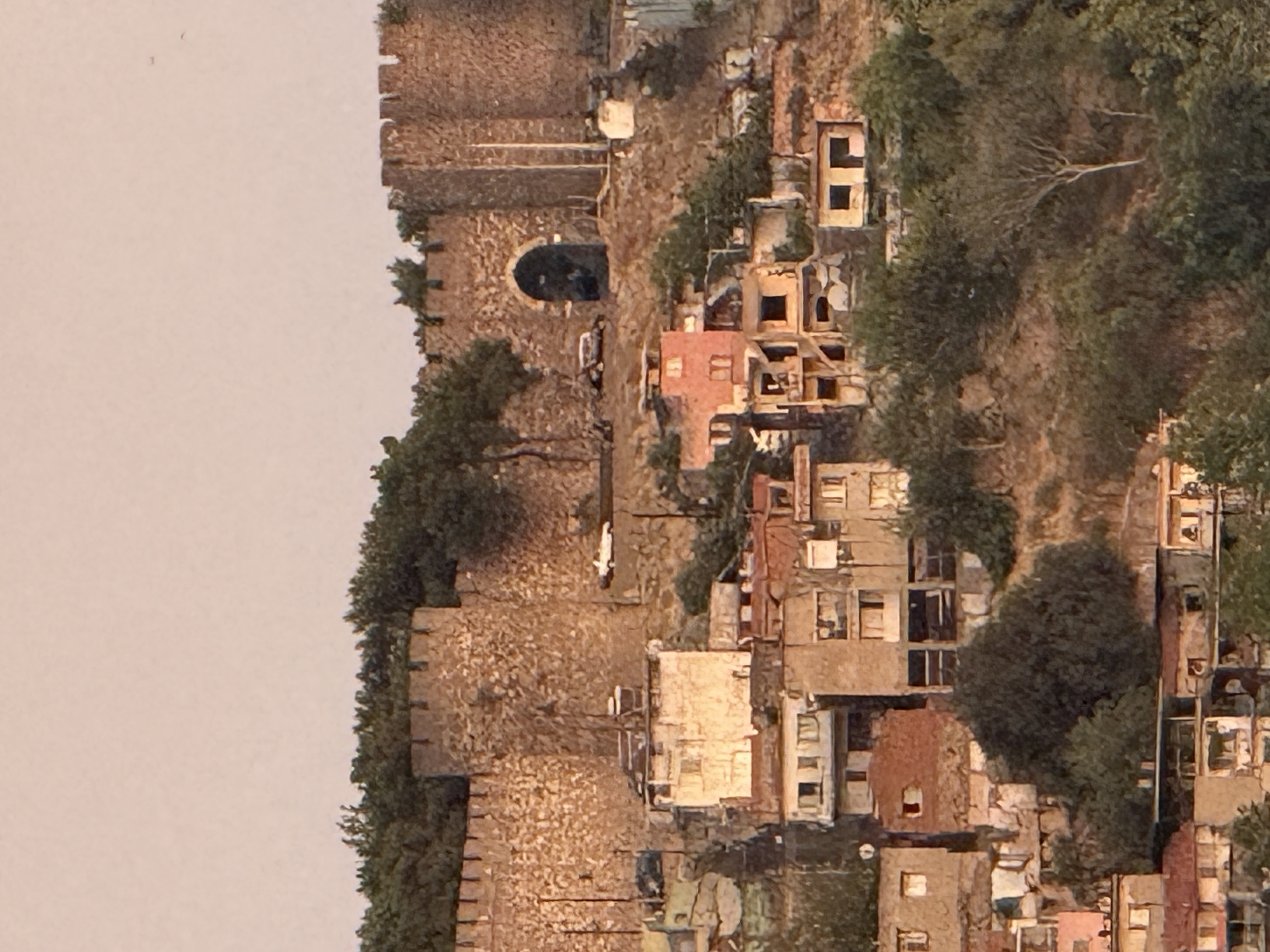
One of the places we walked in the afternoon was Alexander’s Castle, shown below. It still looks the same. We discussed walking through the castle on this trip, but with the difficult parking and the memories associated with it, I asked my husband to drive on by. Maybe next time.
Most of our walks thirty years ago were along this bay, up the Kordon, and back, for miles. I learned about Turkish politics, culture, sarcasm, slang, and a level of history that went far beyond what I’d been taught in my U.S. schools, both high school and college. My limited view of the world rapidly expanded. I learned about Arabs, Kurds, Persians, Allevites, Laz, and a multitude of other cultures, both current and historical, that I’d never heard of.
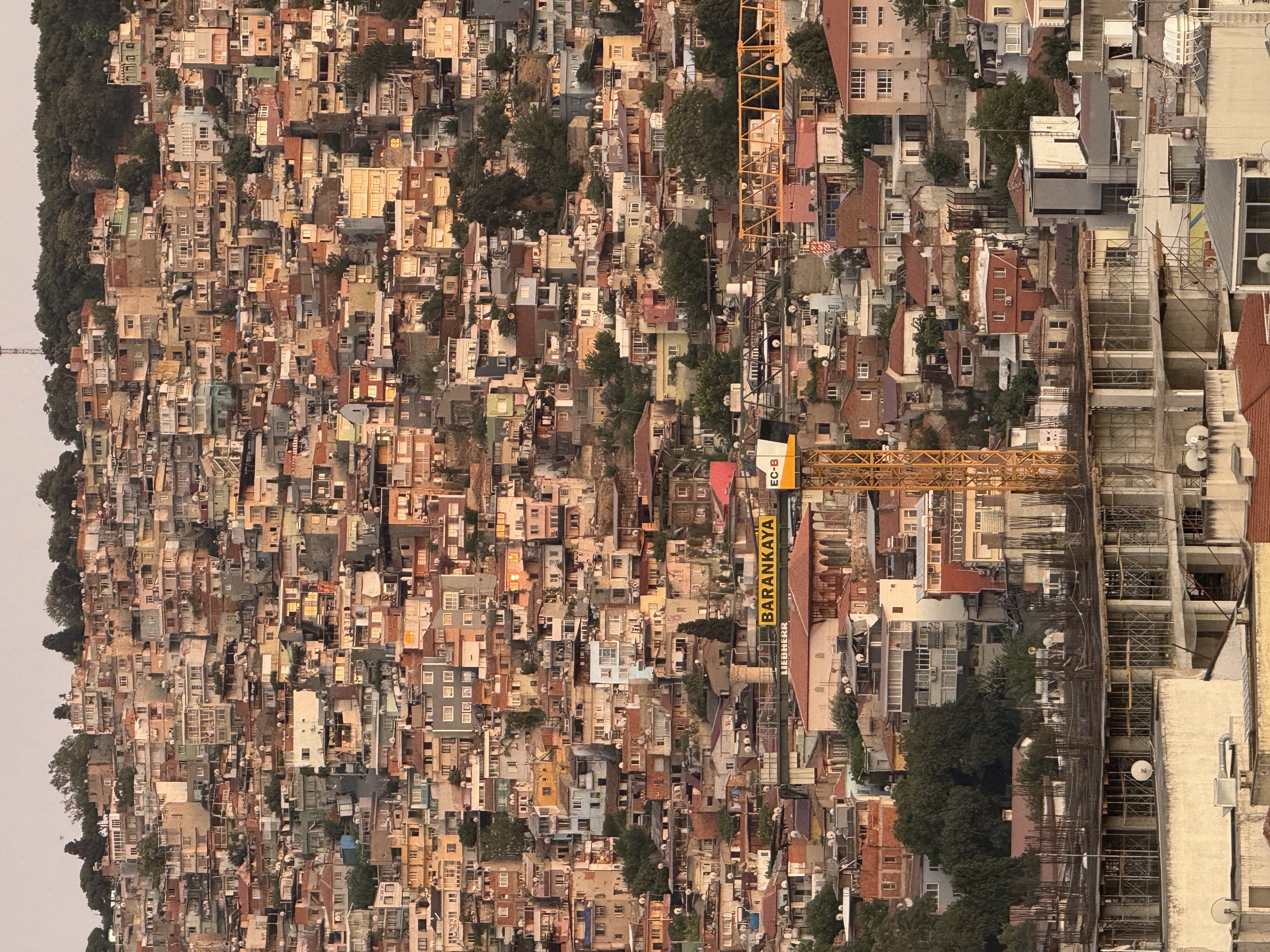
Most of Izmir thirty years ago consisted of the traditional neighborhoods that look like the photo below. I got lost several times in these mazes, once so twisted around that I could not figure out how to get home. I stepped out into the middle of the street, both hands up and out, and flagged down a police car.
That day, I was stressed and not paying attention, walking to escape the chaos and trying to determine what to do next. No flights out, too afraid to catch a cargo ship, no car, and no way to rent one. When I told the officer where I lived, he was shocked. I had walked across the entire city from my apartment.
The officers put me in the back of the car and took me home.
To cut it short, the chaplain ended up in a psychiatric ward in Weisbaden, Germany. I flew home on a Red Cross flight thanks to a benevolent Master Sergeant, and immediately got a divorce.
This also marked the end of my romanticized perception of the United States and the beginning of my travels to other places. As a military spouse at the time, expecting to be “taken care of” by my country, I learned quickly that when things got rough, I was on my own. I got creative, and with the help of my family and my Turkish friends, things turned out fine.
While the year of trauma has trapped this city in a crystallized bottle frozen in time, Izmir truly is a new and vibrant city, vastly different from the one in which I lived. I enjoyed the weekend, and especially date night on the roof with the fabulous view below. Although much of my former life here was harsh, confusing, and unexpected, it is where my new life began.
For that, Izmir will always hold a special place in my heart.
Desert Storm ↩