Kaunos Ruins
not a historical essay, but how I feel about history--and rocks
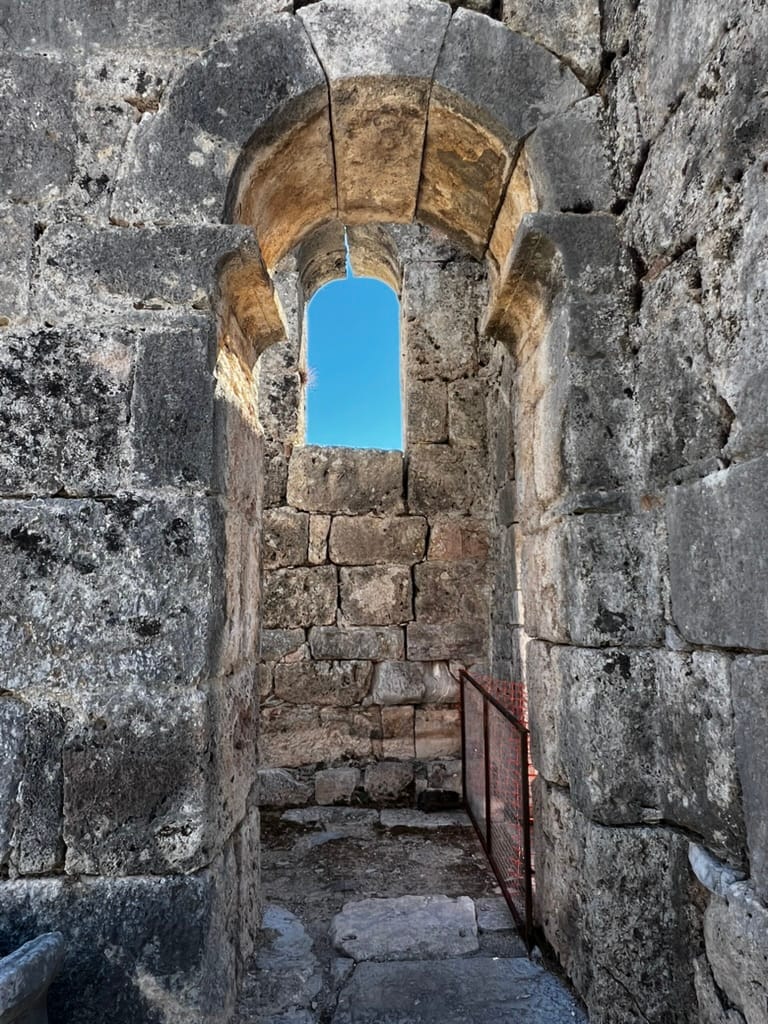
If you appreciate historical ruins, Türkiye is your happy place.
We’ve all heard that if we do not pay close attention to our history, it will repeat, and we will regret it—this part of history I understand—even though I don’t retain the information nor the lessons. However, I find no fascination with visiting ruins and their history. To me, they are and always have been—rocks.
I cannot make the stories of Troy and the Trojan Horse come alive in Çanakkale, even though we spent a half-day roaming through the museum and the grounds. I am bored in Ephesus, even though the extensive site has much to show me about life during that period. (Go look at that link—the site online and in person is impressive.)
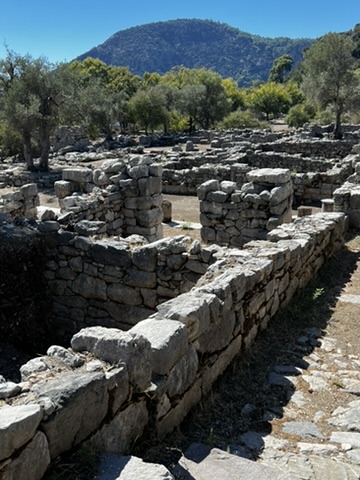
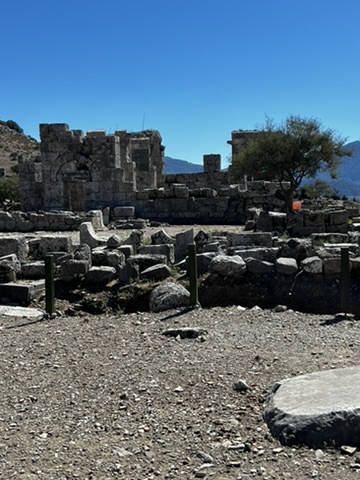
The same was true with Kaunos, the archeological site in the southwestern state of Muğla (pronounced Moola), Türkiye. If you are interested in the history of this site, please go directly to the link above. When I am on tours of this type, I absorb absolutely nothing, even though our guide last month was very good.
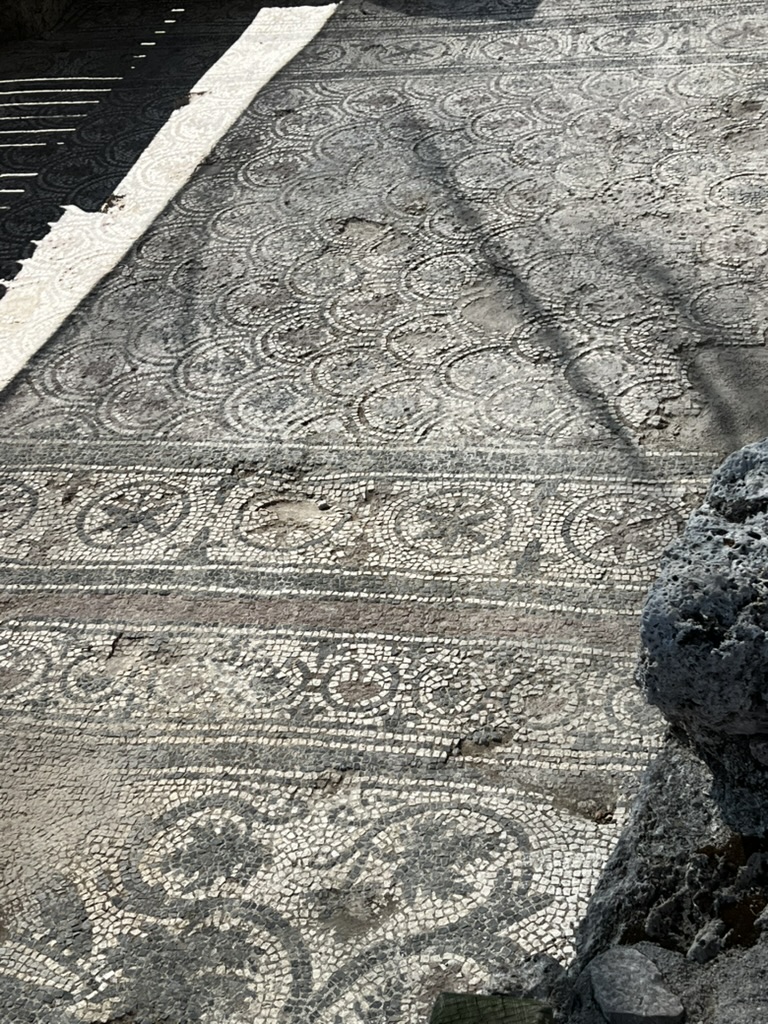
I was interested in the mosaic floor and understood from my construction events in the past, how much effort was necessary to lay each tiny tile one by one into the pattern below. It seemed logical to me that this floor should last for hundreds of years if constructed correctly.
I have the same problem in museums. The maximum time I’ve ever been able to spend in a museum is one hour. After that, my back or hip hurts increasing in intensity until I can escape outdoors where the pain will miraculously stop. The only time this hasn’t happened was when I was captivated at the Museum of Modern Art (MoMA) in New York by Jackson Pollock’s One: Number 31, 1950.
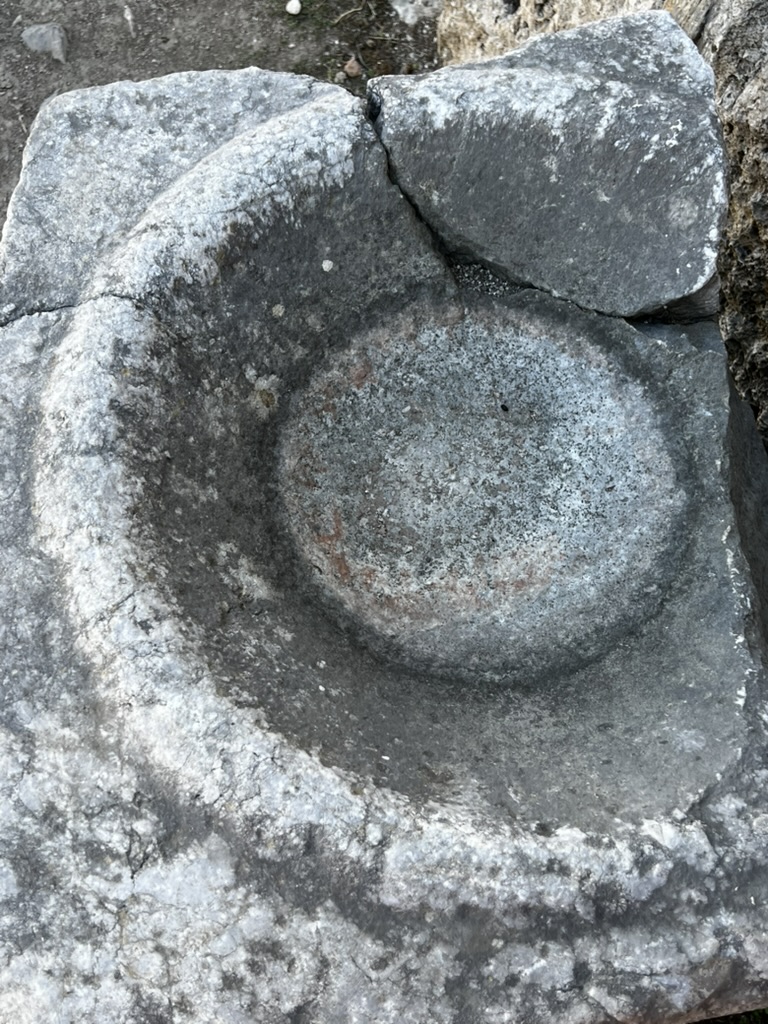
I’m not sure why I am fascinated by Pollock’s drip technique where he flings paint on a canvas (go ahead, click on the link above, I’ll wait), but not the amount of work that must have been needed to create this item so below with tools much less modern than what we have now. (If I’m not mistaken, I was told this was a toilet.)
In the end, however, they are still rocks.