Boat Life on the Intracoastal Waterway
Cruising and Living along the Eastern Seaboard
Hello, and thanks for being a part of this writing experiment.
Note: This post is a little long, so you’ll need to click the link to expand your email if you aren’t reading in the Substack app. (Photos load better in the app, FYI.)
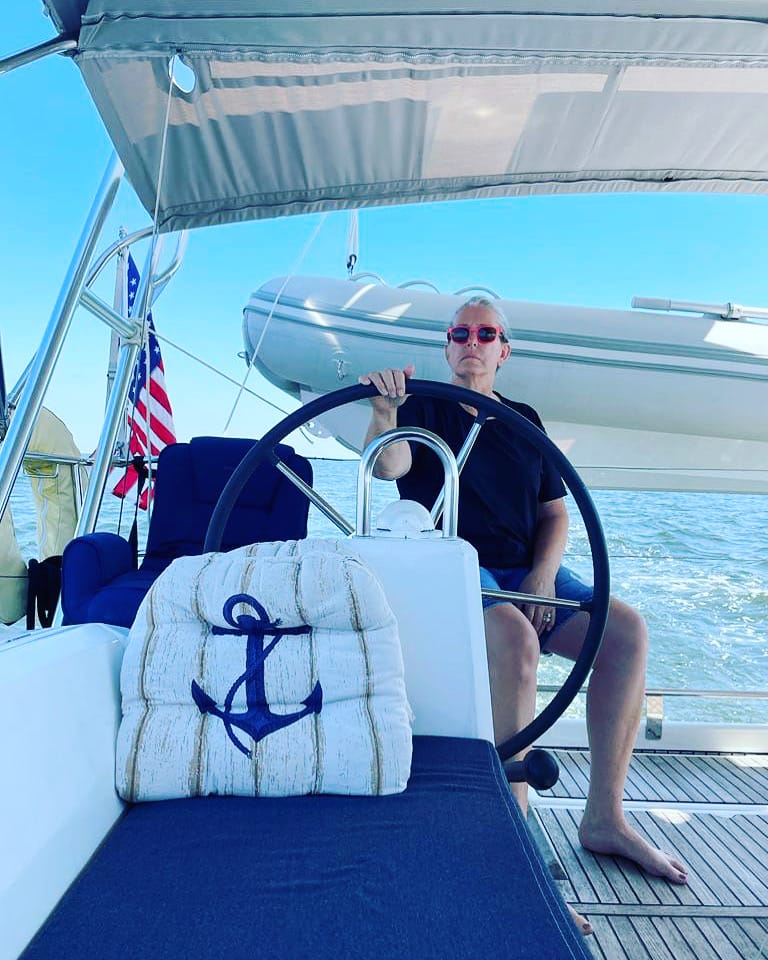
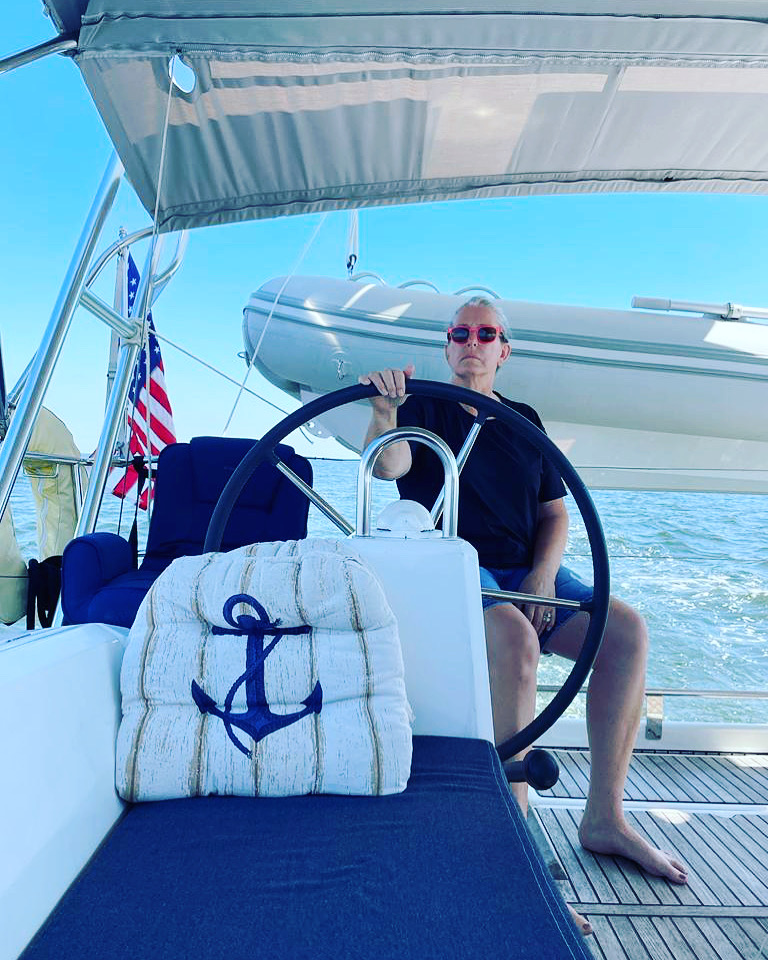
Yep, this is me below, acting like I know what I’m doing. Honestly, I don’t. I’m a clinging parasite on the boat, taking poor direction while trying to contain my fear. But I do love being on the water. I was raised on the water and have lived the majority of my life either on a river, a beach, or an island. I am a weather freak, watching sea rise, hurricanes, and storms every day across the world, and now that we live in Istanbul, I watch earthquakes as well.
Last year, after we sold our house, my husband convinced me to go with him on a long leisurely trip down the Intercoastal Waterway from the Washington, D.C., area to Charleston. My husband dropped me in Charleston and proceeded in the open ocean to cut the curve and head toward Jacksonville, Florida.
I don’t do blue water. I have a three-hour limit in open water before I turn green and things get ugly. Instead, on this trip, I met him at a marina in Jacksonville, where we left Boaty in safekeeping, using her as our primary residence until we could sort out where we wanted to be.
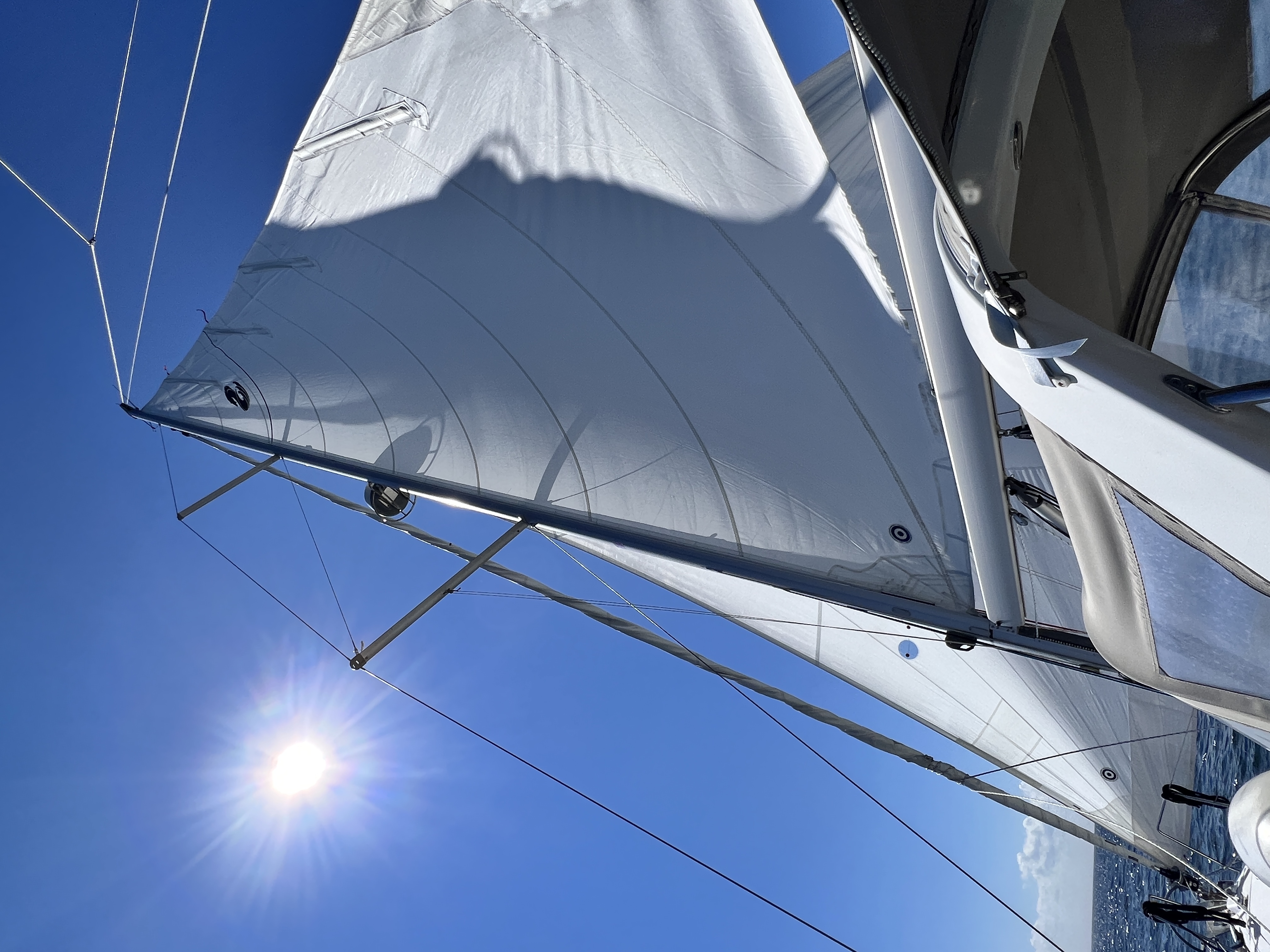
My husband loves being a solo sailor, and having the sails open and flying across the open water (here on the Chesapeake Bay) is his thing. He has stories about big pods of dolphins following him in the Gulf Stream, anchoring at Caribbean islands with zero inhabitants and no other boats, and sailing through storms. Not my thing, but I am happy he has found his.
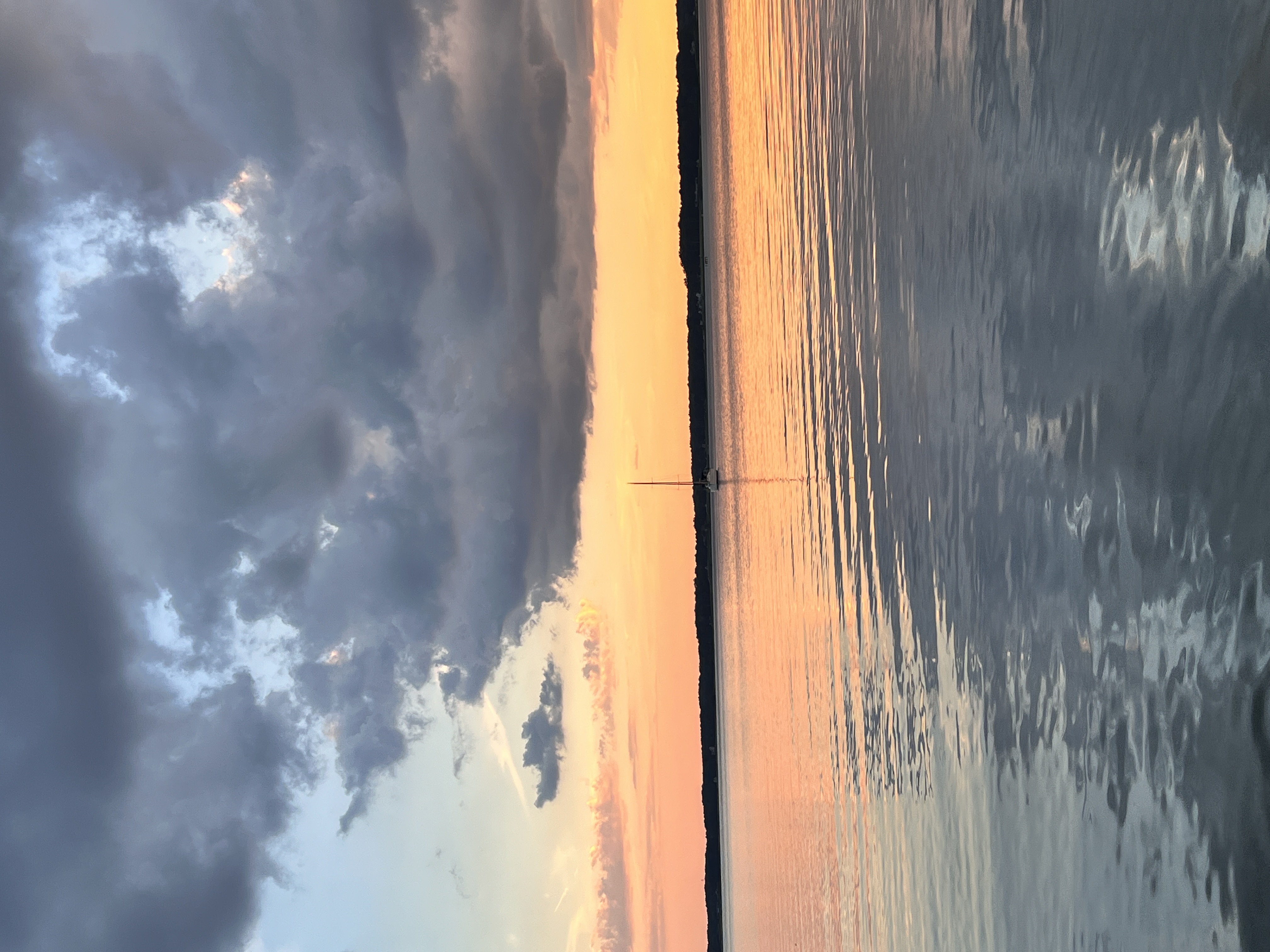
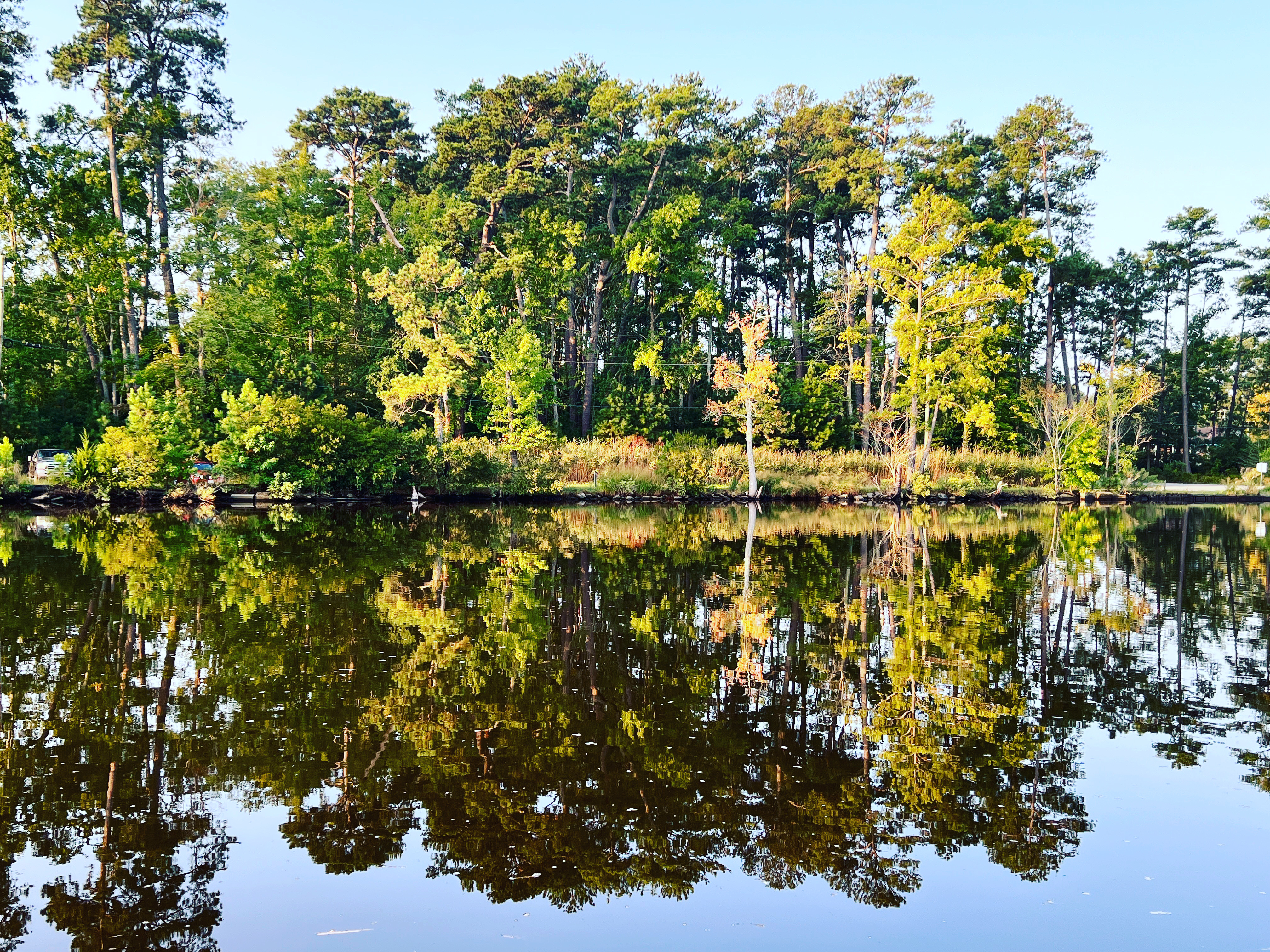
Mine is, as usual, the slow route, the calm mornings as the sun comes up, a cup of coffee in my hand, sails in, motor on as we slowly maneuver the connecting glassy rivers down the eastern seaboard.
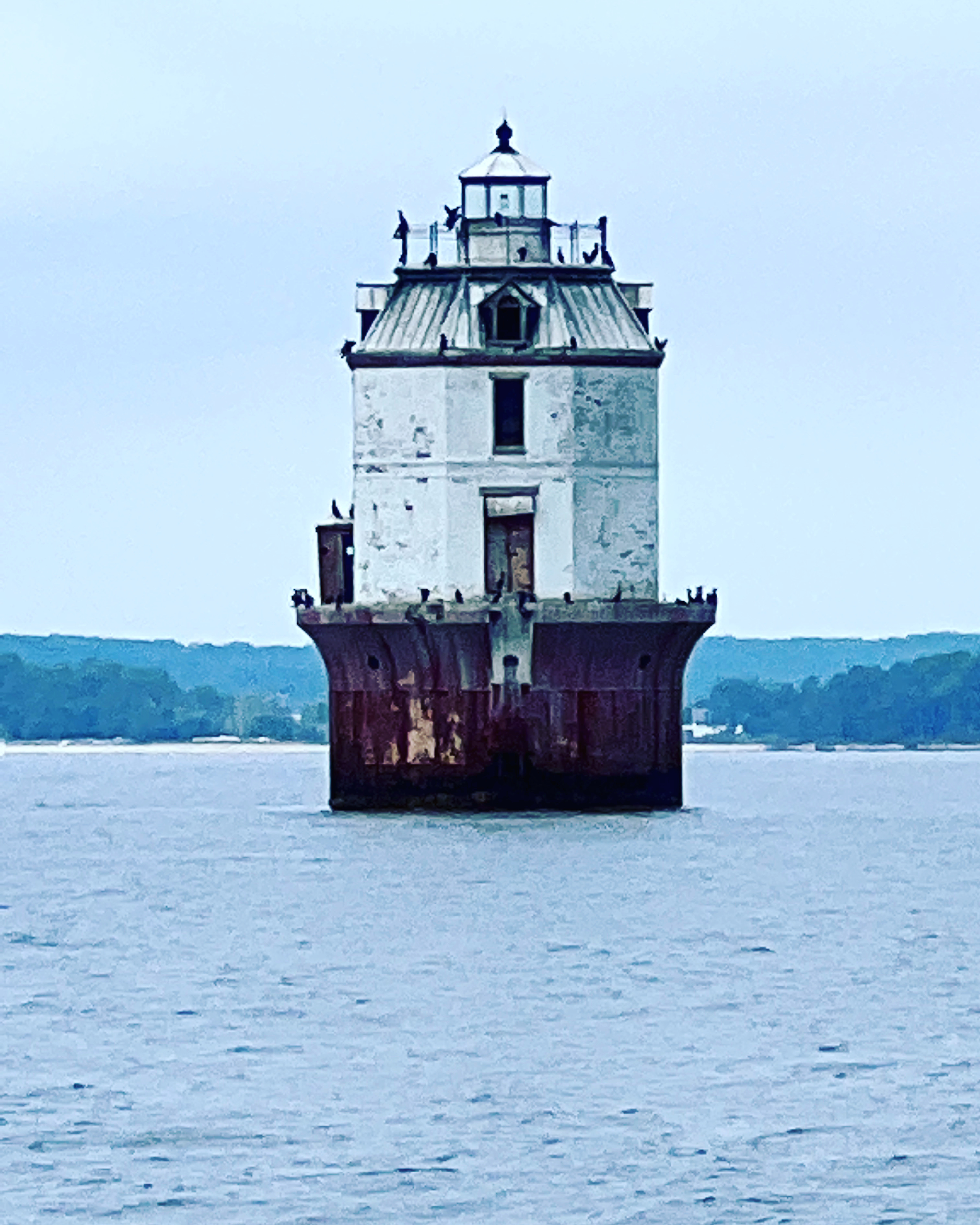
You get to see interesting things you don’t see on land, like this old lighthouse. I learned last year that the government regularly auctions off lighthouses that are no longer in service. I was interested and looked at every lighthouse on the market. (When looking for a remote location as your private hideaway to write and leave the world behind, your mind takes you on strange journeys. I can imagine the response I’d have gotten from my family if I’d selected something like this as our U.S. home.)
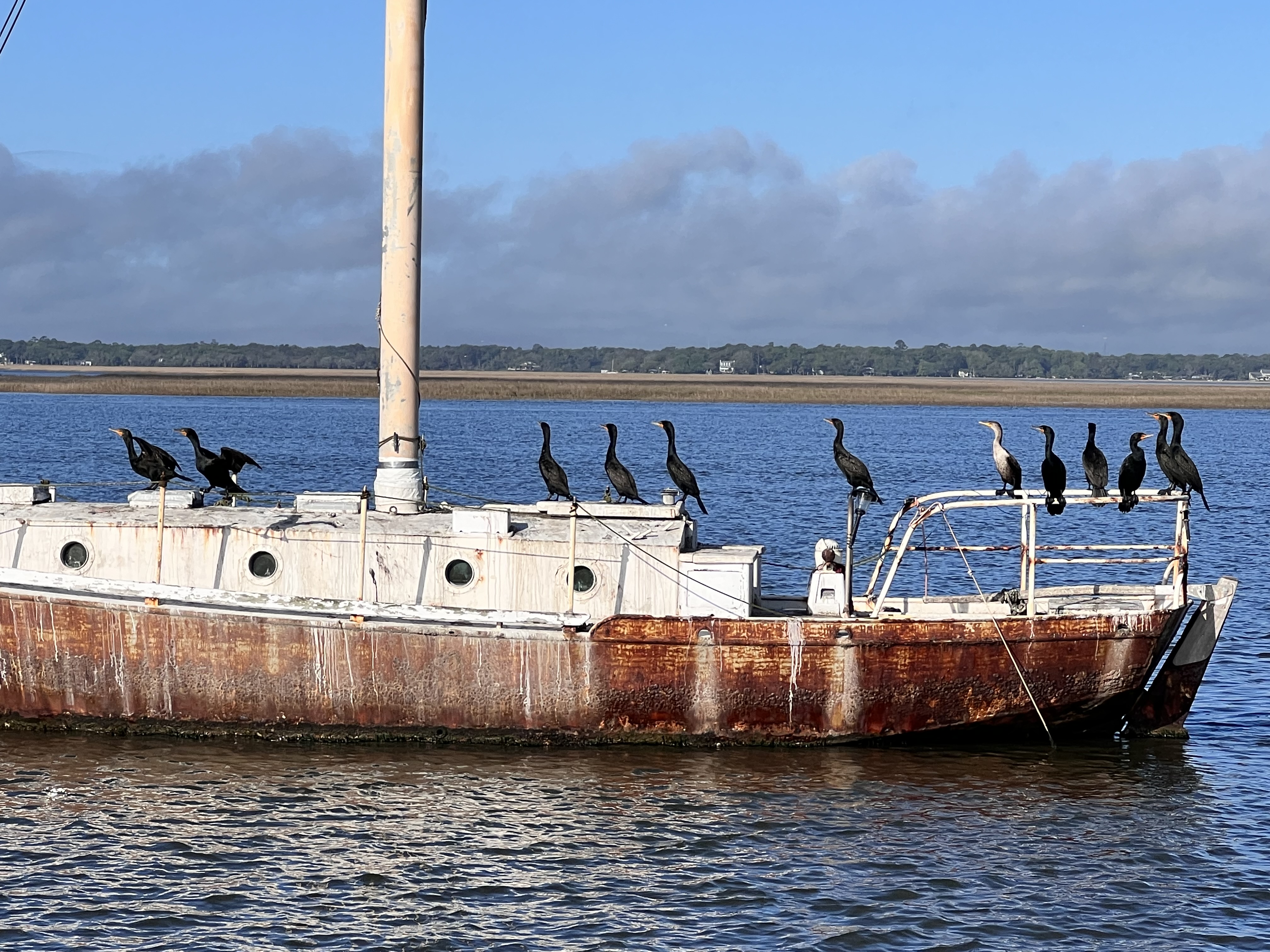
Can anyone explain to me why this is allowed? (below) If we abandoned cars along any right-of-way, it would be ticketed, the owner found and fined, and the car towed to a lot for pickup, sale, or destruction. Why are boats left to rust in place? Everywhere we go, we find these things.
What’s it like to live on a boat for an extended period of time, you ask? It’s a careful dance between two people in a very small space. I had my concerns, I’ll admit, and asked a writer friend who had sailed in years past on lengthy trips with her spouse from the U.S. to South America. Her advice was as I expected—you get used to it and learn to find your private space wherever possible. Yep. Mine is the bow. His is the stern.
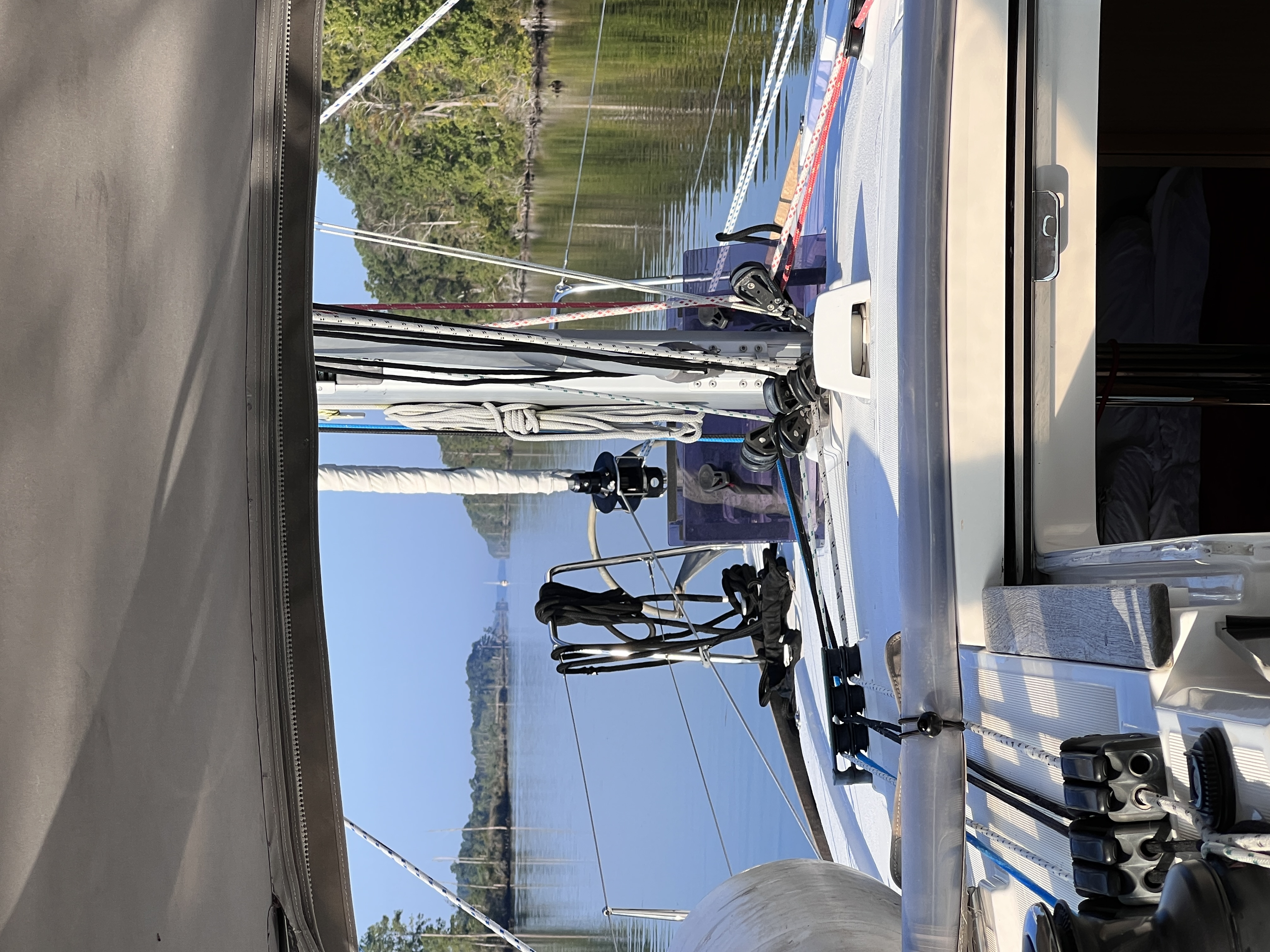
Since my husband is the captain, I take orders and have learned over the years not to question why immediately but to do the task and learn why it’s done “that way” later. I’m more comfortable after this long trip, but still not one hundred percent.
Living in a marina is a peaceful experience, but that depends on the marina. We gravitate to quieter places but have visited ones like Ft. Lauderdale, Florida, or any marina in Key West, Florida, that are crazy in the evenings, with one floating party going by after another. We also cruise by the places in Miami and head for the calm water and quiet places on the Gulf side of the Keys.
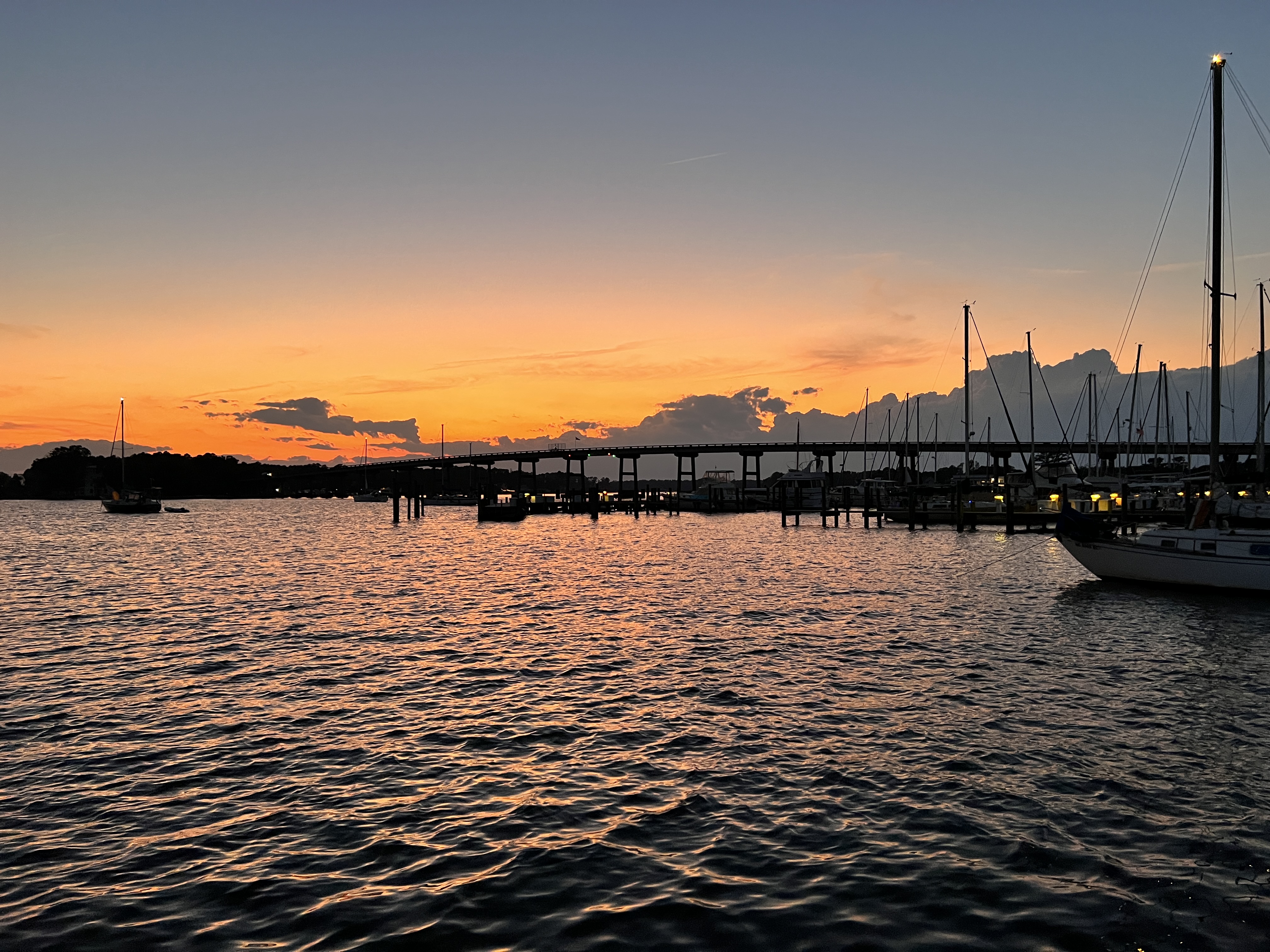
Laundry, for us, is done in the marina facilities, and if I want a long, slow shower, that also has to be done in the marina. The shower on the boat works very well, but it is a bit claustrophobic, so having a shower on land is sometimes necessary for me. The location in Jacksonville (below) has a top restaurant next to the property, so having nice dinners and a glass of wine was convenient rather than food on the boat.
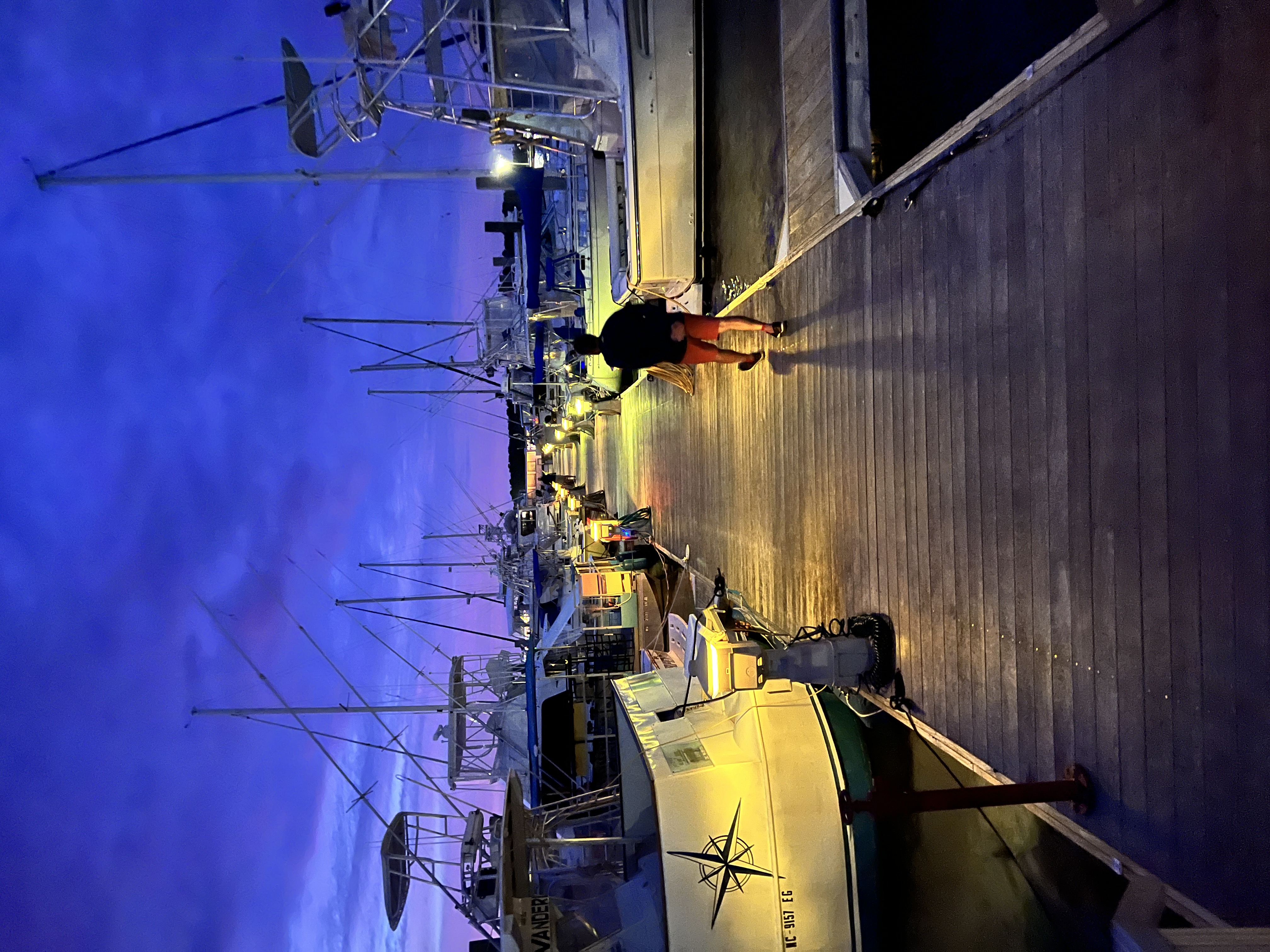
The best time of the day, whether on the water or at a marina? The evenings, just before and after sunset, with a glass of wine or a cognac. The marina settles down, the folks who live aboard are doing the same as us, and the quiet takes over. You hear only the soft pling of the lines and the lapping of the water against the hull.
It makes the day.