Practicing Law in The U.S.
What it means to be a female attorney in a small town in the South

For over thirty years, I practiced as an attorney. But what does that mean? Lots of us are lawyers, but I am pretty sure that no two of us have had the same experiences in our practices.
I moved home to be with my mother, who was in poor health and away from a psychotic marriage and war in the Middle East. Initially, I had a general practice in a small one-room rental office with a shared secretary.1 I did all sorts of cases, even criminal, until a friend, the local sheriff’s deputy, sat in a chair opposite me and told me never to take a criminal case again.
I sucked at it. And he was right.
I did a lot of divorces, a lot of business cases, and a lot of garbage cases where people had lost their minds as well as their common sense. That’s all practicing law in a small town is—instilling common sense back into people when they can’t seem to mentally or emotionally get themselves together. You talk them toward a solution; if the other side is not reasonable, you see them in court and let a judge decide.
Your job is to make sure your guy is on the winning side. If you can’t win, you have no business being their lawyer. And definitely have no business going to court. I had five different mentors in my county who taught me how to practice law, each in a different discipline. I am beholden to them for many lessons, both in practicing law and in life.
So, with my sister’s help and a pocket of business cards, and the five men figuratively standing behind me, I slowly built a practice in small-town South Carolina. Did I love it? No. But it was a living. Because of the aforementioned first Gulf War and psychotic marriage, I was trying to get myself together, one day at a time.
I had not been in the little town long when I had a visit from two old men.
These guys wore dirty T-shirts, overalls, steel-toed farm boots, and ratty straw hats. They both tipped their hats at me when they entered my office, then politely removed them and sat across from me. Their sticky combovers barely covered pink heads with a dirty tan line from their hats.
I listened to their story and realized I was about to step into the South Carolina version of the Hatfields and McCoys.
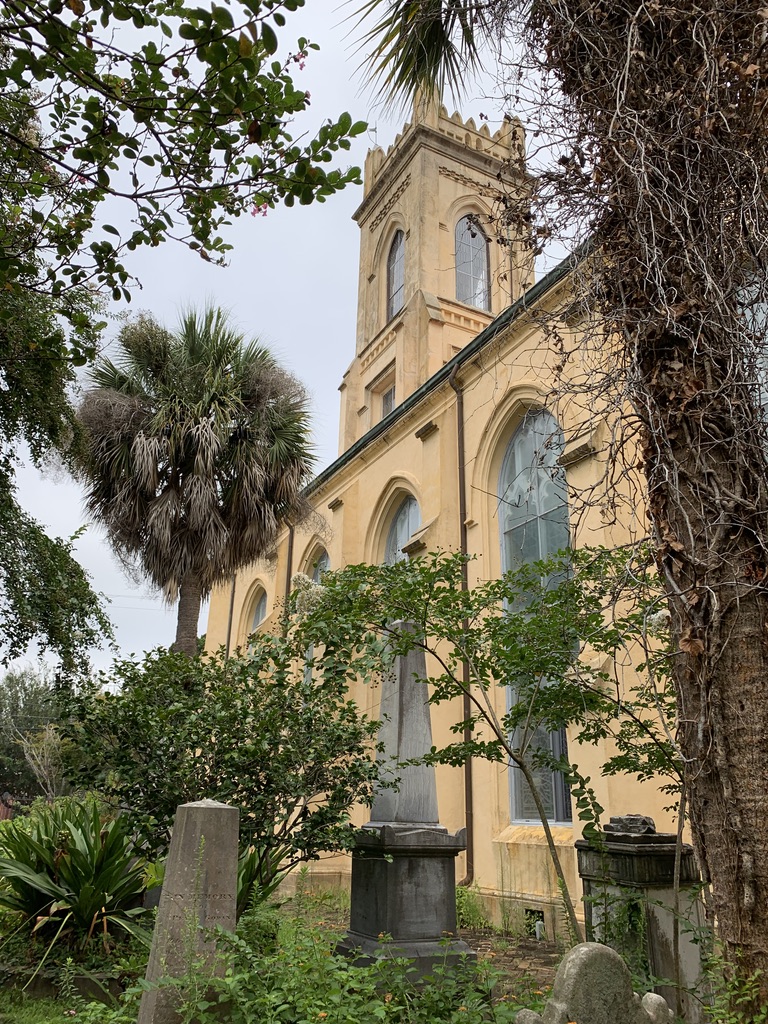
They owned two large tracts (100+ acres) of family land in the country. Most of the area around my office was rural, a lot of it agricultural, the rest forest lands. The tracts adjoined each other. The deeds were so old that all the markers had either died, been removed, or shifted through the years.2
Because the boundaries could not easily be established, their family had been fighting over the property line for the past twenty years. The men were the patriarchs of the two sides, were cousins, and were tired of fighting. They wanted to resolve the dispute between them, definitely did not want to go to court, but had no idea how to fix the problem.
Yep, that’s me. I was known as “the lady lawyer in the red suit” who could fix things. Fixing things normal people or their lawyers couldn’t—or wouldn’t.
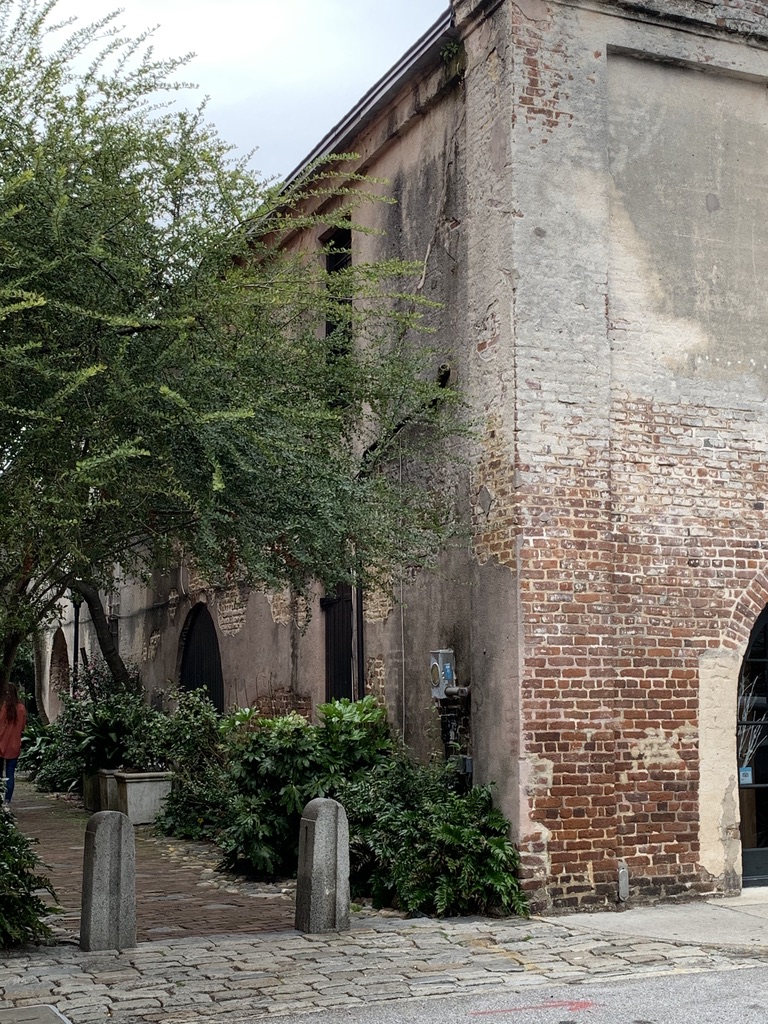
I took the case, called my surveyor, and traveled to the courthouse. This shouldn’t be that hard, I thought. Then, I discovered the world of Civil War land records before and after General Sherman’s March to the Sea. For those of you not raised in the South and religiously steeped in Civil War memories from childhood, please head to Wikipedia or another source to bone up on your history.
When searching the land records, I soon found myself lost. The clerks for the Register of Deeds office (both ladies named Shirley, by the way) quickly became my teachers. They reminded me of the dates General Sherman came through that part of South Carolina. I found deeds in a strange font that The Shirleys said were “reconstructed” deeds, typed by a scrivener during Reconstruction after the war. For my clients’ files, there were a lot of them. No wonder they could not figure out where their property lines were.
In the end, the surveyor helped me piece the history together. He taught me a great deal, as did The Shirleys, and I found that putting puzzles together like this was a bit fascinating, especially when it brought history alive. So, I have General Sherman and my sister, of course, to thank for setting me on my unanticipated path into real estate law.We presented the feuding cousins with copies of their new boundary survey, explained all the details, and my surveyor (absolutely a fine human being) went out to the property and walked it with the men to be sure they understood what he had marked for them with flags and steel rods.
When done, I asked them to sign the clarification documents I was to put on record for them. Upon their hesitation, I realized immediately that neither of them could read. No matter. They signed with an X, and I asked them to seal the deal in the same manner the English had done hundreds of years earlier, with a handshake.3
Happy, they shook, and then they paid my bill. In dollar bills and change. Counted out one coin or bill laboriously at a time to ensure they had paid in full.
Life in the small-town South.
Don’t @ me. We called them secretaries then. She did most of the work, and I’ll never forget her. ↩
The deed specified, for example: “Start fifty feet from the northernmost oak tree at the corner of Smith Lane and Highway 52; thence two hundred seventy-three feet to the large white stone; thence four hundred feet to the eastern fence line of the Barton tract; then south five hundred…“ you get the point. ↩
For those lawyers of you out there, no, I did not bring in a child to be slapped for the unwritten permanent memory. ↩