Texas Hill Country
Despite what you think, Texas is not completely flat
After flying to Austin, my friend retrieved me. She selected the Texas Hill Country as the spot for our weekend away. We both needed to get away from our work and lives, catch up, and hash out the latest things bothering us. It’s what we do, what many women do, I guess, as life progresses and our friends leave town. Then you leave town, and suddenly you are thousands of miles apart. You have girls’ weekends.
I have several friends from Texas. They like where they are from, even though they don’t live there now. I never thought, even with my search for out-of-the-way locations to visit, that this part of the state would be my next vacation. We drove several hours from Austin, winding our way through small-town America.
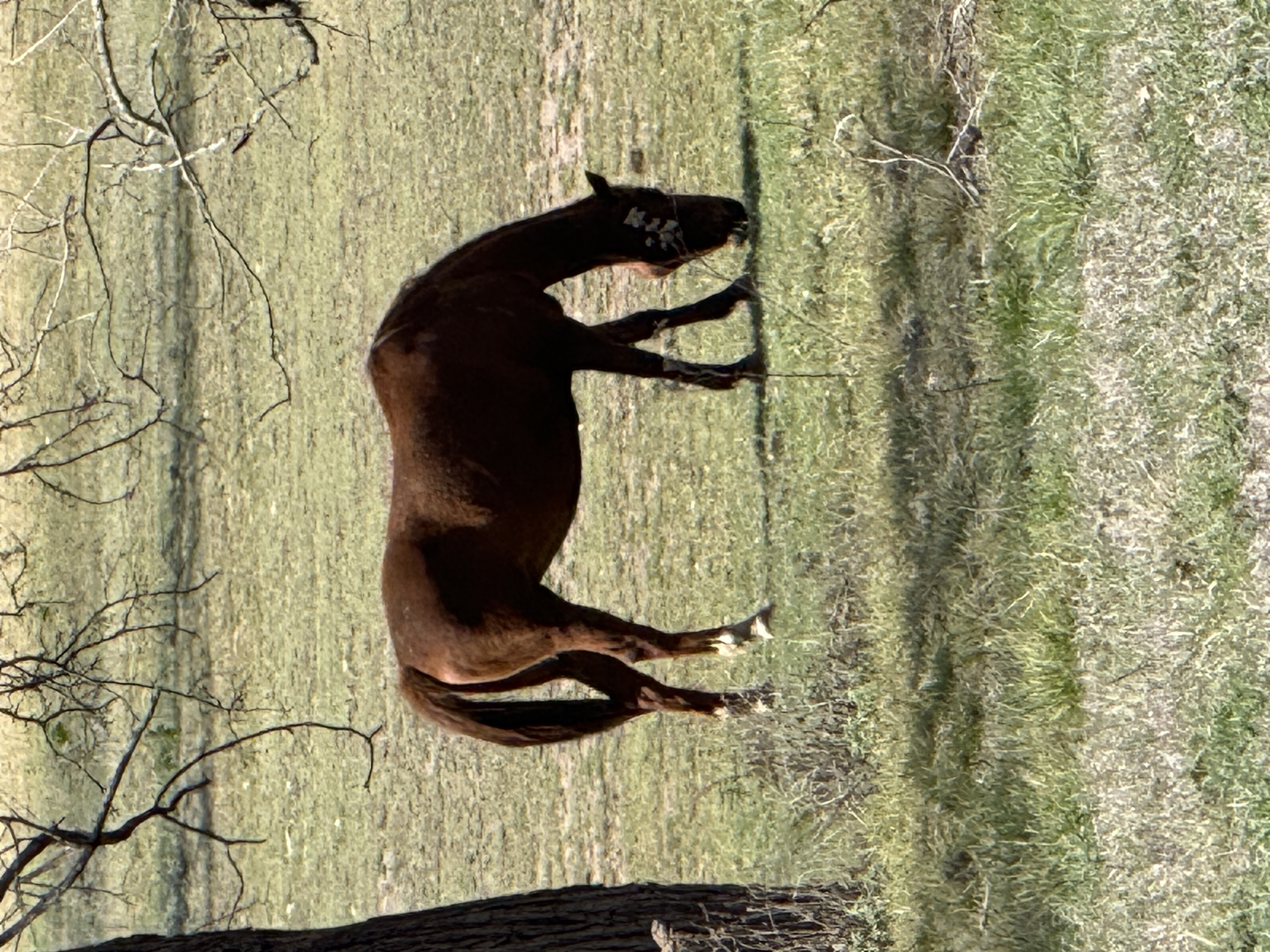
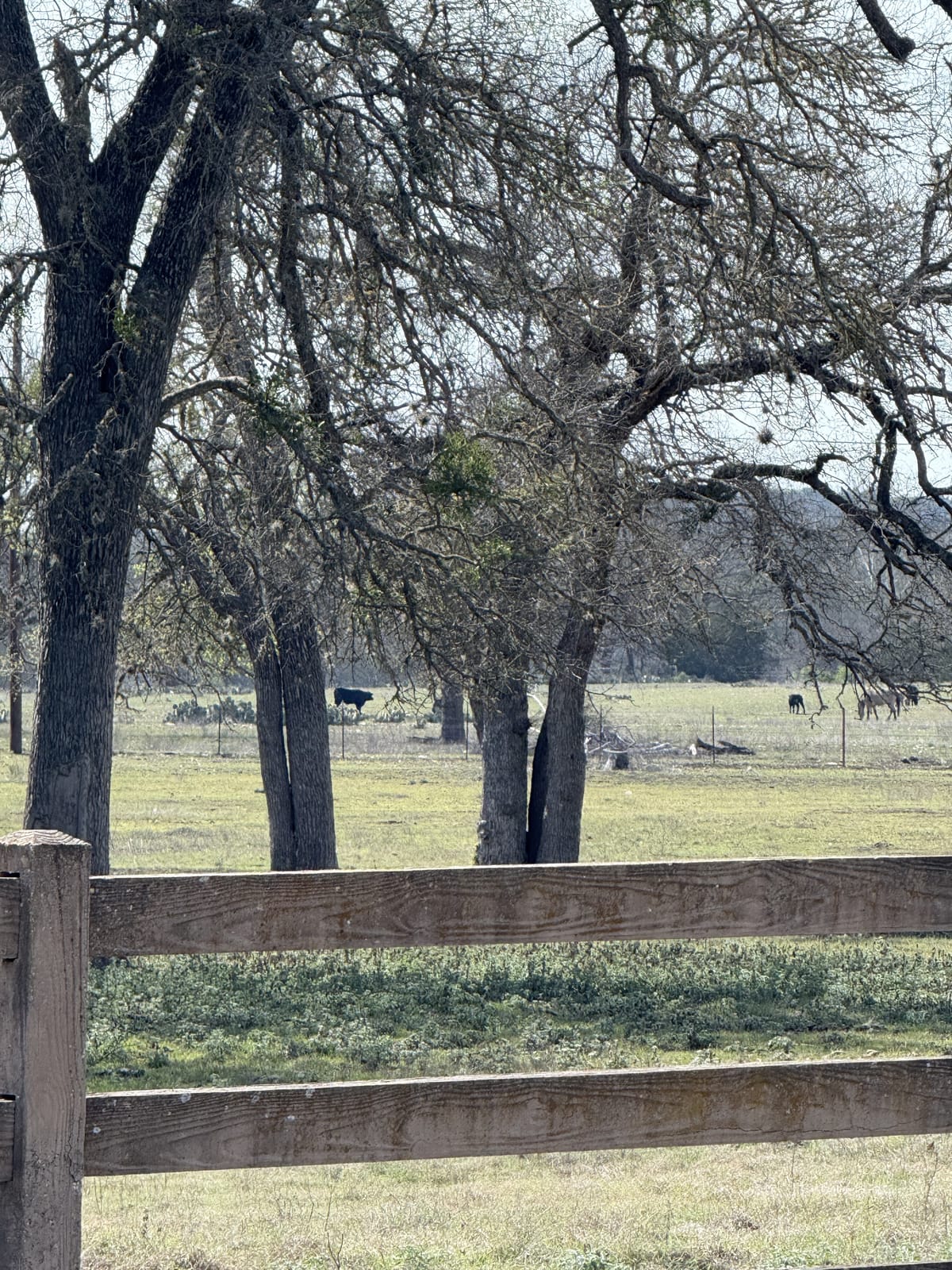
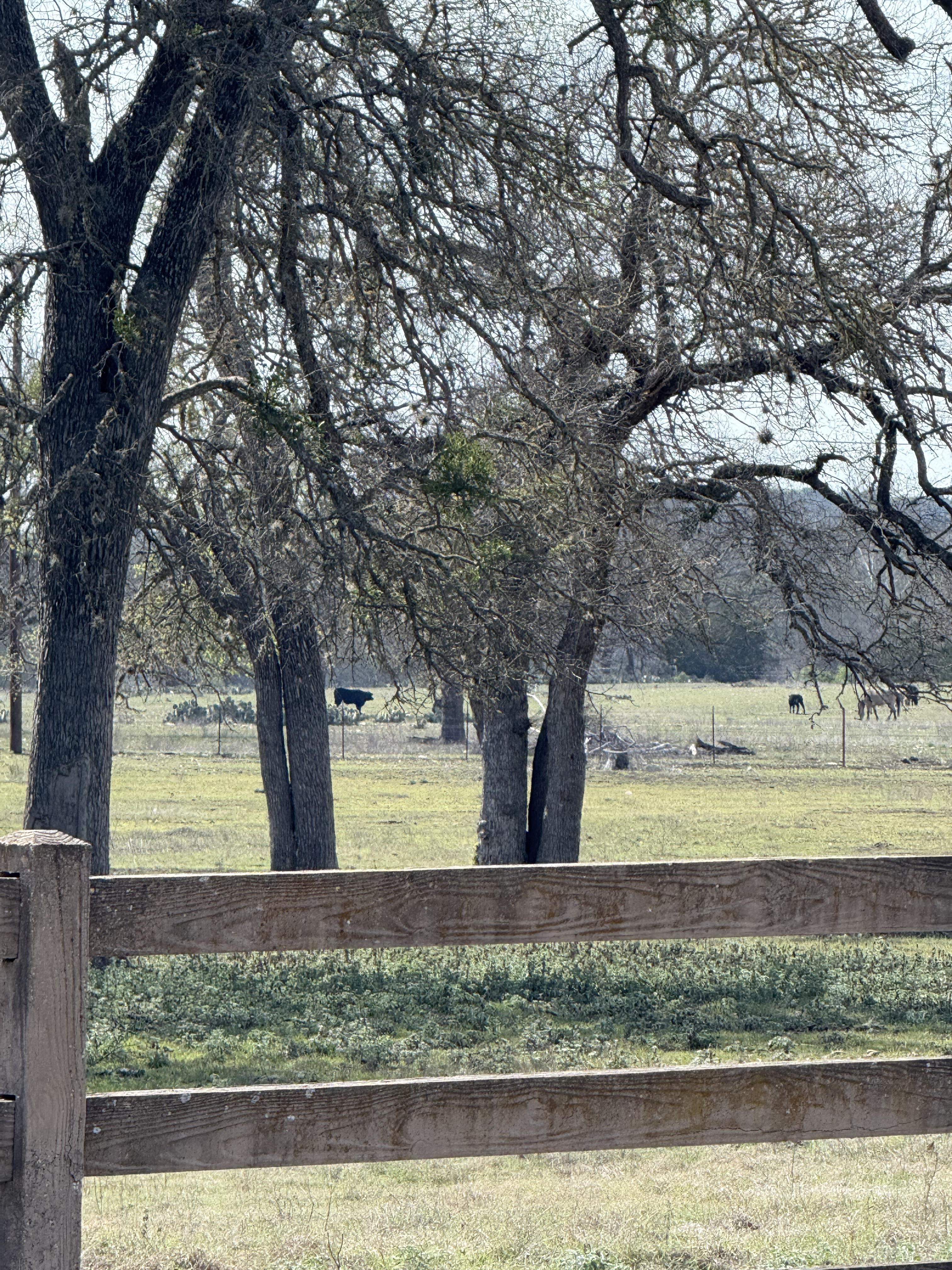
Texas is most definitely one state where you must have a vehicle. As we traveled away from the city, the Hill Country looked somewhat as I expected, yet in other ways, very different. Short scraggy oaks scattered the undulating land, with a green coating of new grass below. Blue bonnets decorate the roadsides. They were everywhere we went, sometimes with entire pastures covered in a blanket of blue.
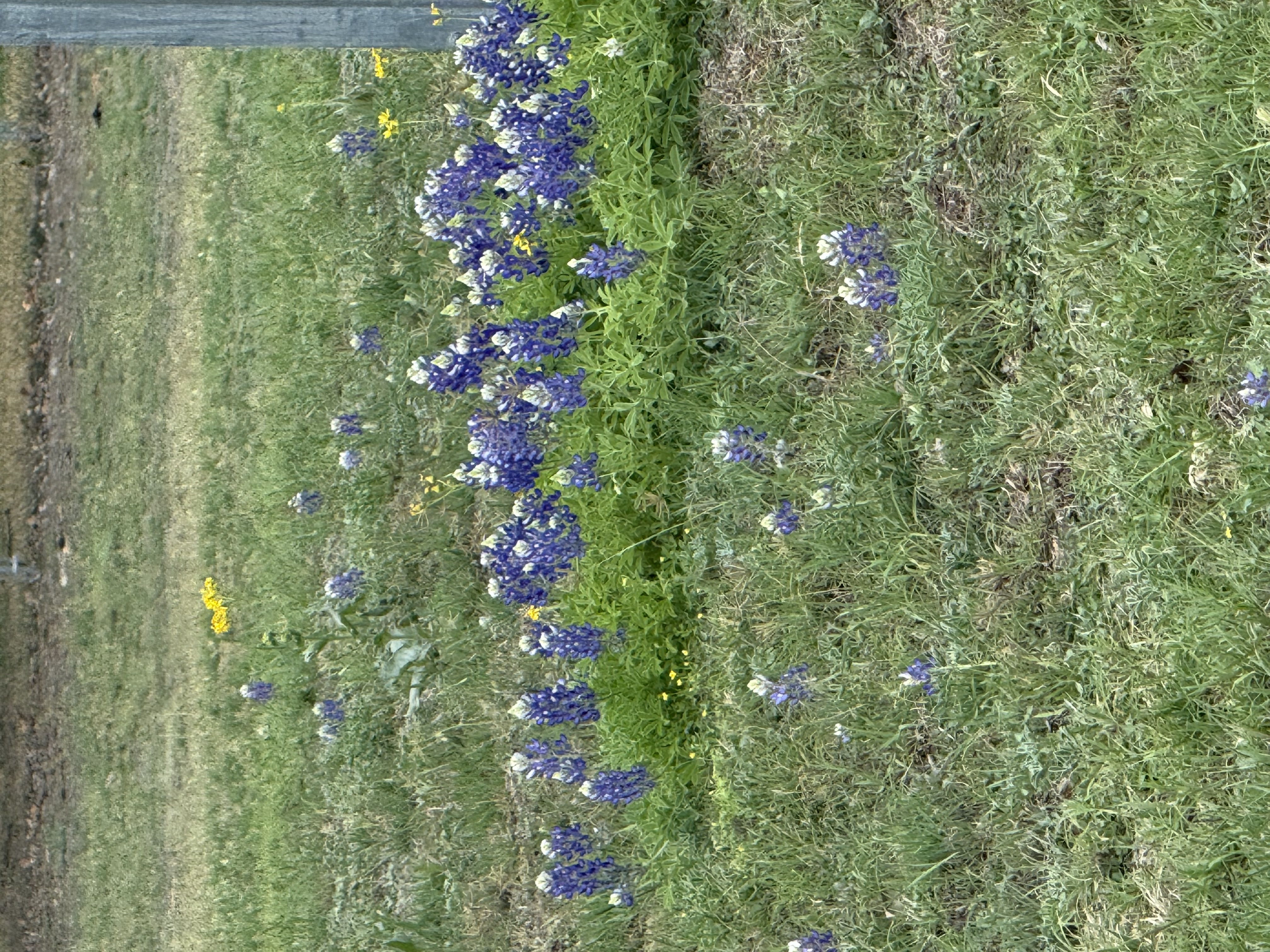
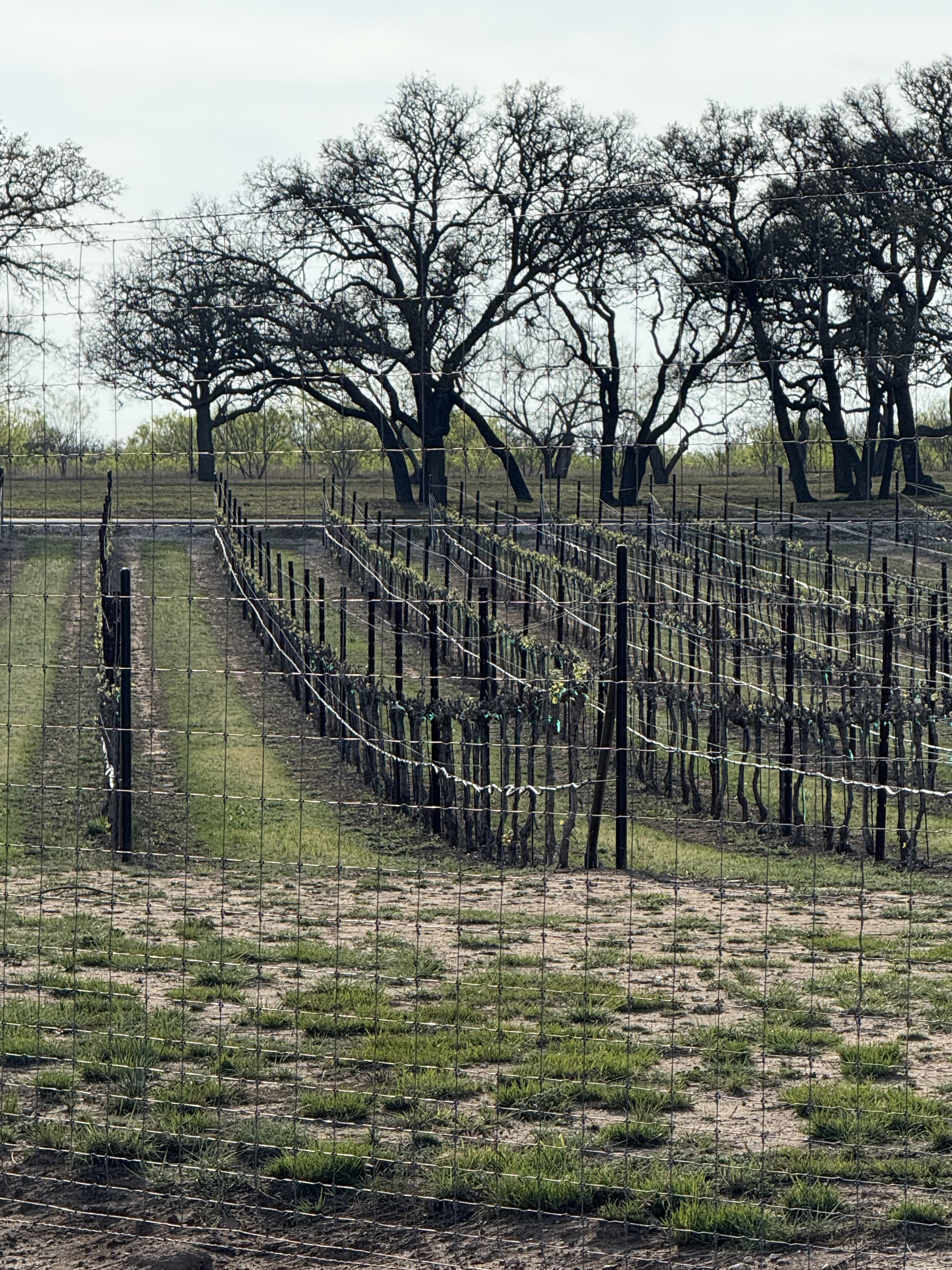
Larger trees sport bright spring leaves, but without the thick layer of pollen I am used to in the Deep South that covers cars, outdoor furniture, and sidewalks in a coat of bright yellow. Ranches, ranches, and more ranches are broken up along the way by vineyards, with run-down farms plopped in between. Some even look like the families picked up and left during the night, making it hard to tell if the ramshackle house is truly inhabited. Hard-scrabble farms dot the landscape, with rusty pickups surrounded by farm machinery. A new minivan or oversized new pickup is the only indication that someone might still live there. Tattered Trump flags fly on most fences, large or small, but mostly the small.
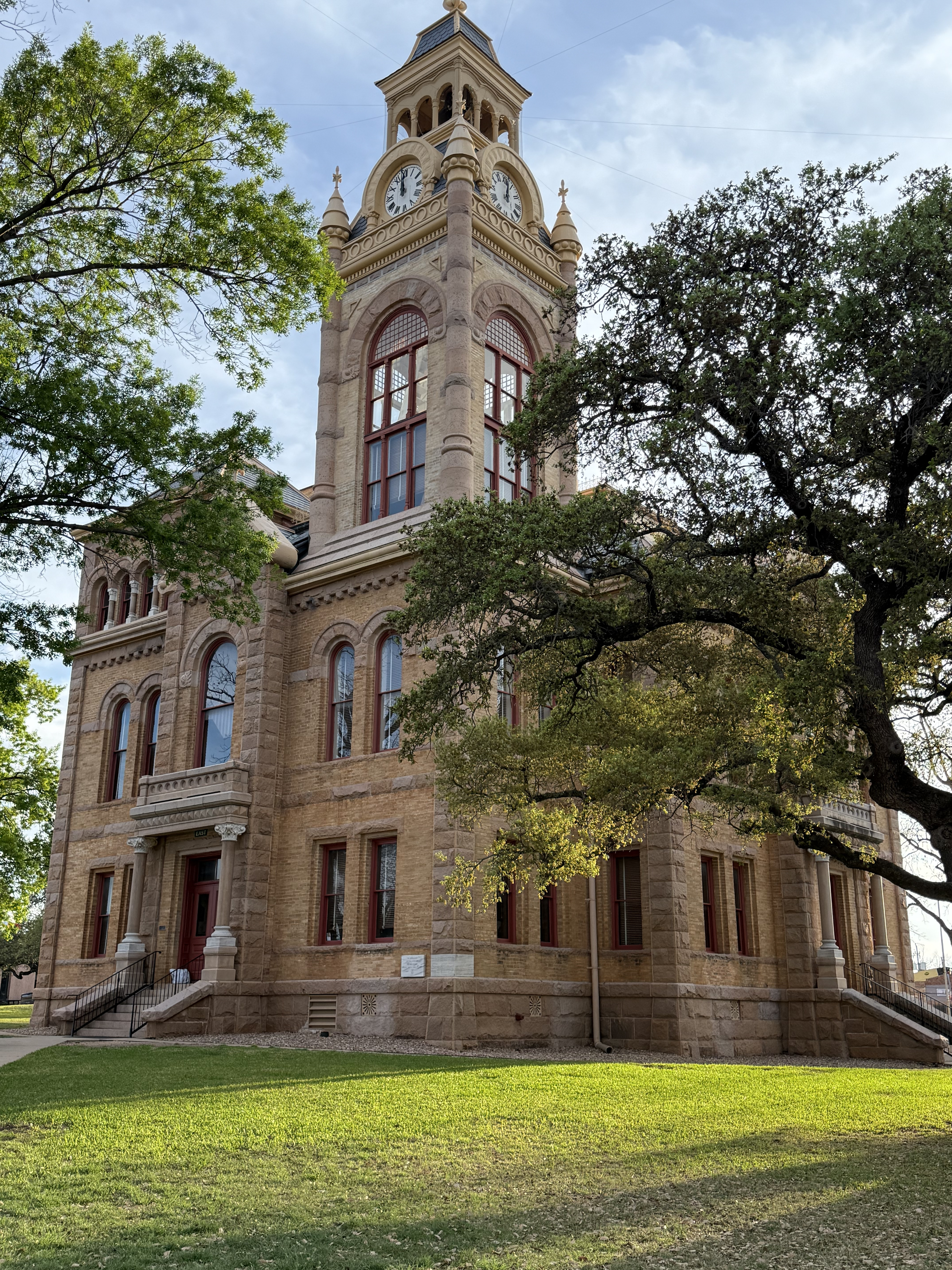
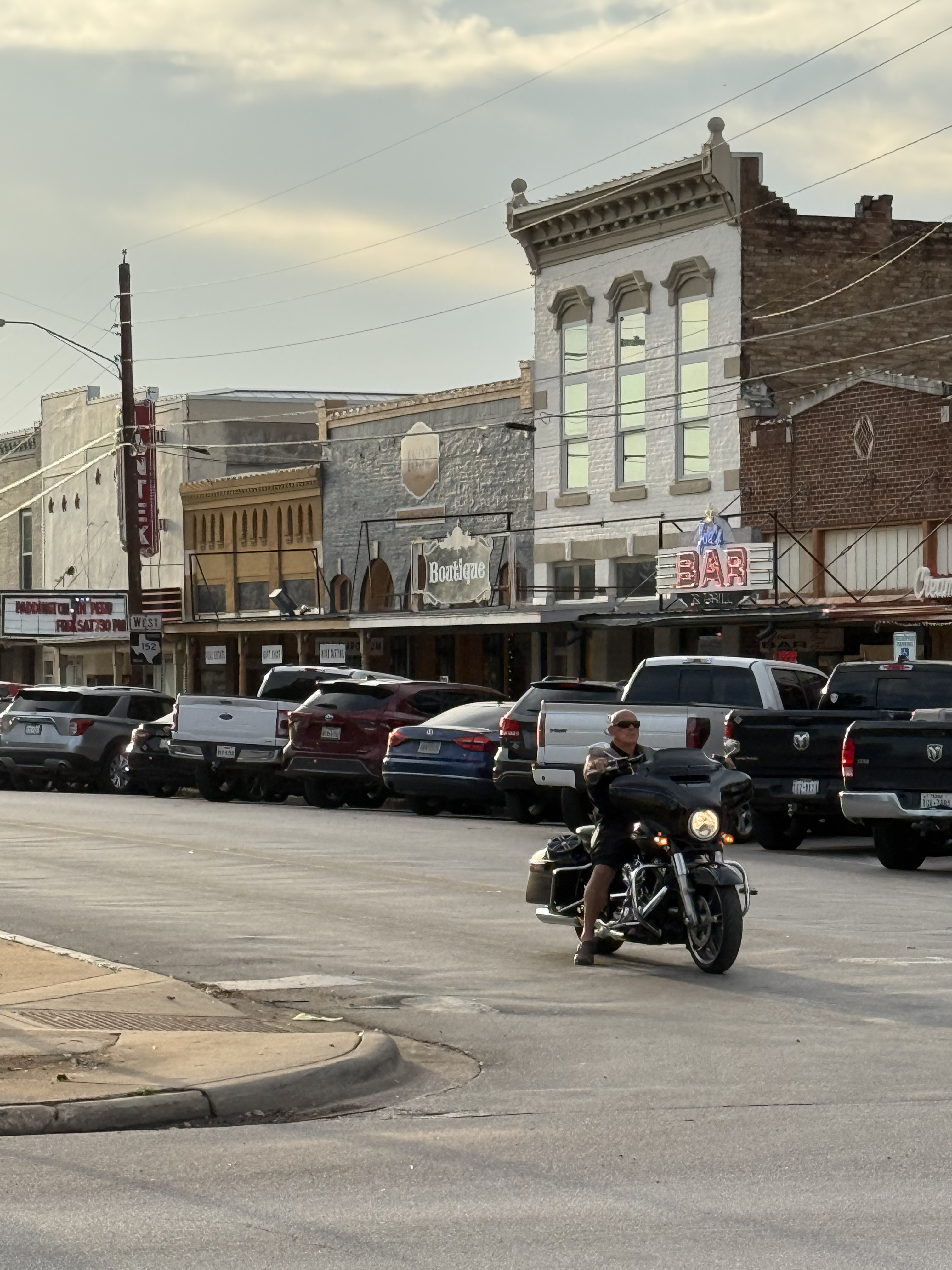
Llano retains its Texas character, with its courthouse still proud and tall and the landscaping beautifully kept. Others along the way, such as Fredericksburg, not so much. Or maybe it's always looked like that, and from my Texas television-addled expectations, I wanted to see something different. And then Kerrville, especially, is almost a dusty strip mall, either on the cusp of small-town death or waiting for resurrected life by new business. I have no idea which.
In these hills are hidden things that I’d never have known without my friend. This area hides homes (well, ranches) of billionaires, with only the tips of roofs visible, and many times not even that, behind big iron Star of Texas gates. There are summer camps for their children, complete with private security protecting those little ones of famous parents. It’s a hodgepodge of farms, vineyards, economics, politics, and life, all thrown together in a big Texas pile.
We stayed in a house on the edge of the Colorado River, outside Burnet. The houses are simple, similar to those I remember as a child along the Coosa River in Alabama, ones with furniture from grandmothers now gone, worn-out sofas that don’t mind wet bathing suits, flip flops, or forgotten towels. Ones with docks on the river, canoes and kayaks thrown about, and comfortable outdoor chairs on every flat surface by the water.
I expect the home where we stayed was more comfortable than a typical river home here. According to Realtor.com, it and its neighbor two doors down are for sale for a good bit north of a million dollars. These prices, given that the houses are set across the road from neighbors of mobile homes and shacks sporting values of less than fifty thousand dollars, are shocking. Texas has little planning or zoning in this area and has not been spared the rampant freewheeling pricing that extends across our country. Yet if you wish to live on the riverfront, you will pay. Substantially.
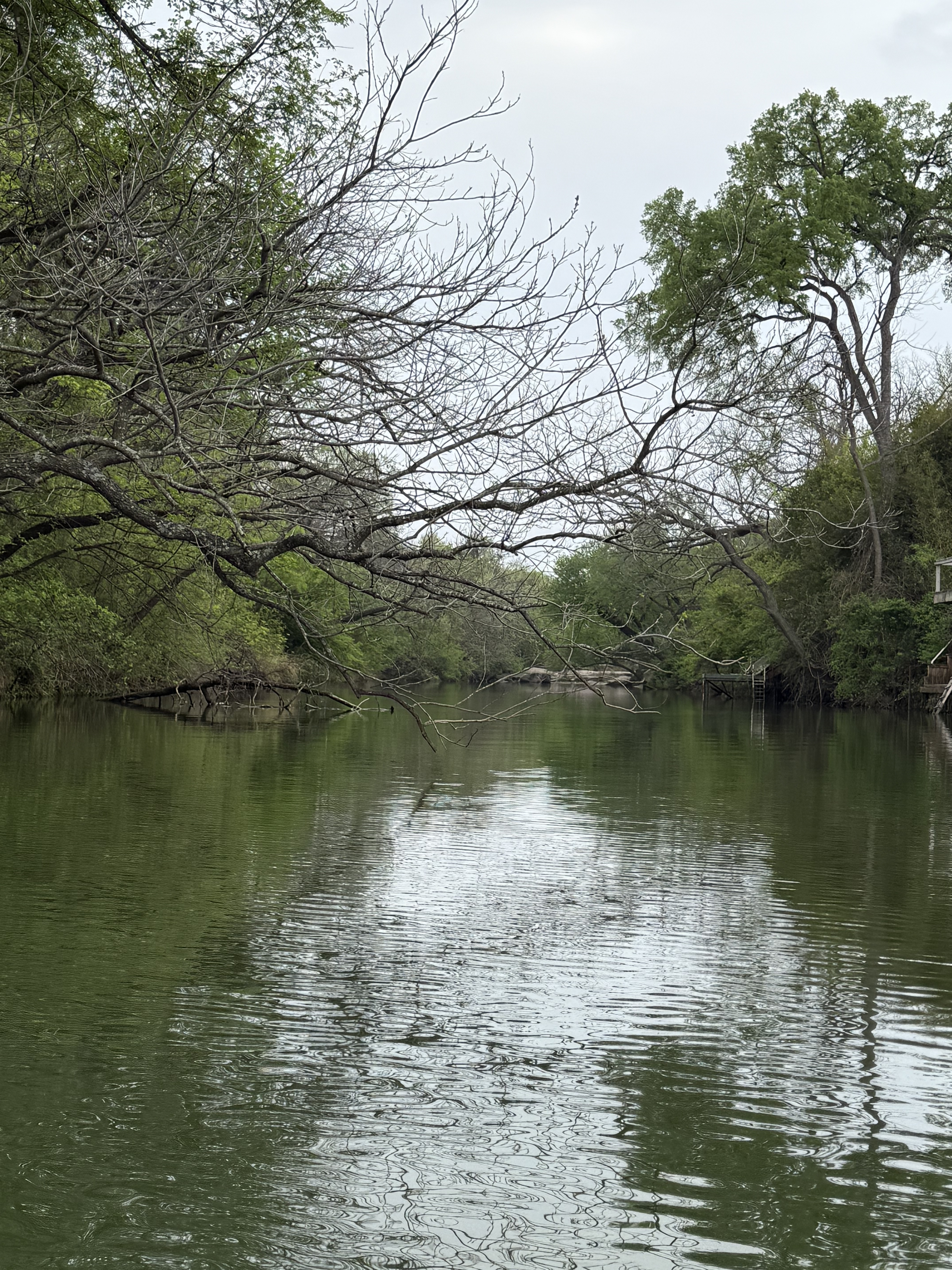
I did expect Texas to be this way, this jumbled mixture. In my mind, Texas has always been the land of big hair, big trucks, and just big. The land of big flat lands and big longhorn cattle. And the land of seriously big heat. At the end of March, it was eighty-five degrees at five in the afternoon, the heat oppressive for an hour or so.
I’ve never been to Austin, and it seems it will stay that way. The only year I tried to visit, the downtown flooded, and I went somewhere else. Now, it appears, I’m too late. My friend believes it’s no longer a cool Texas place, but the object of tech bro fascination, tax rebates, and rapid rebuilding. The Amazon, eBay, and Apple campuses, a gazillion other tech firms lining the highways, and the ranches quickly turning into subdivisions gave me no evidence to disagree.
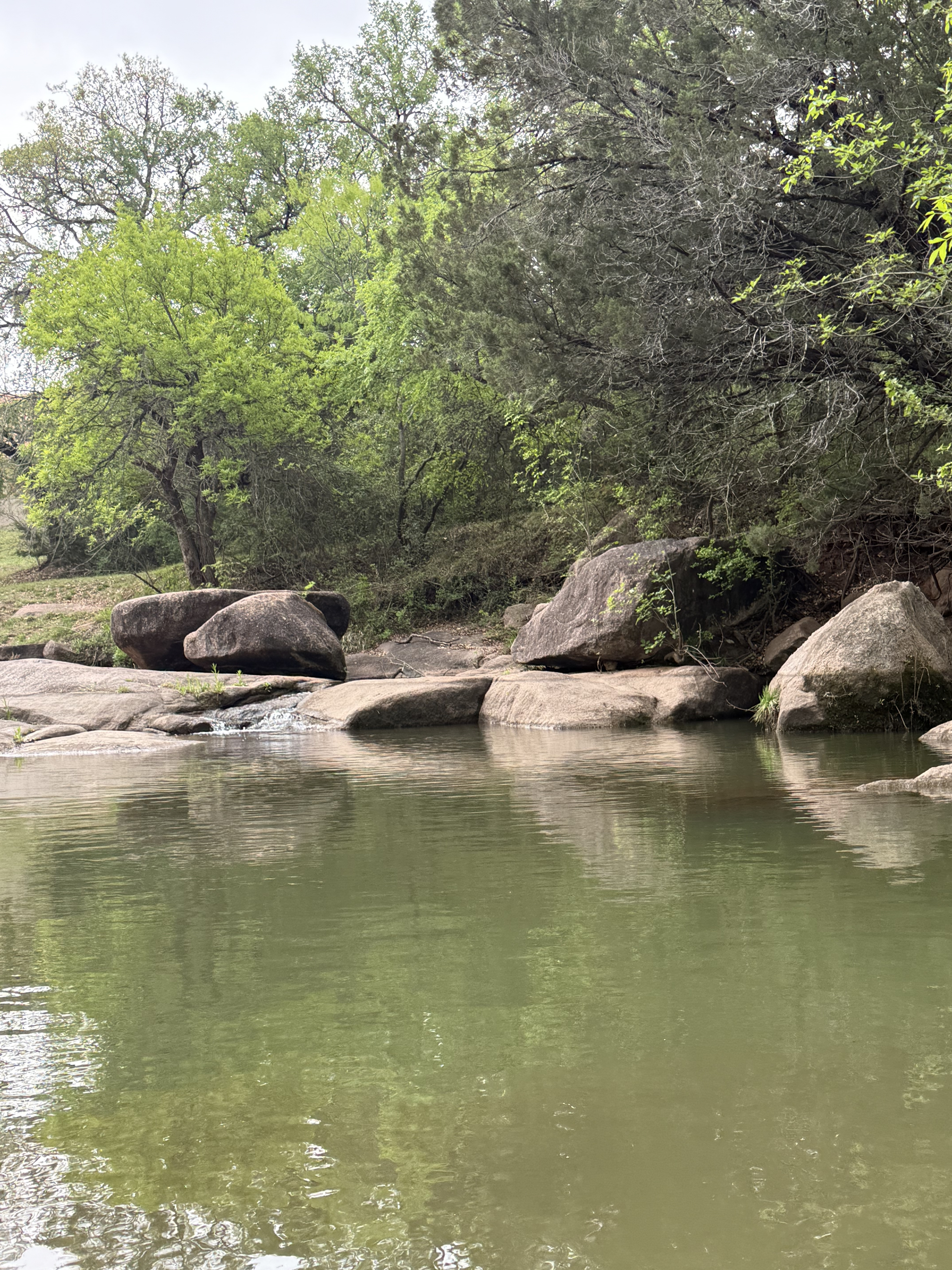
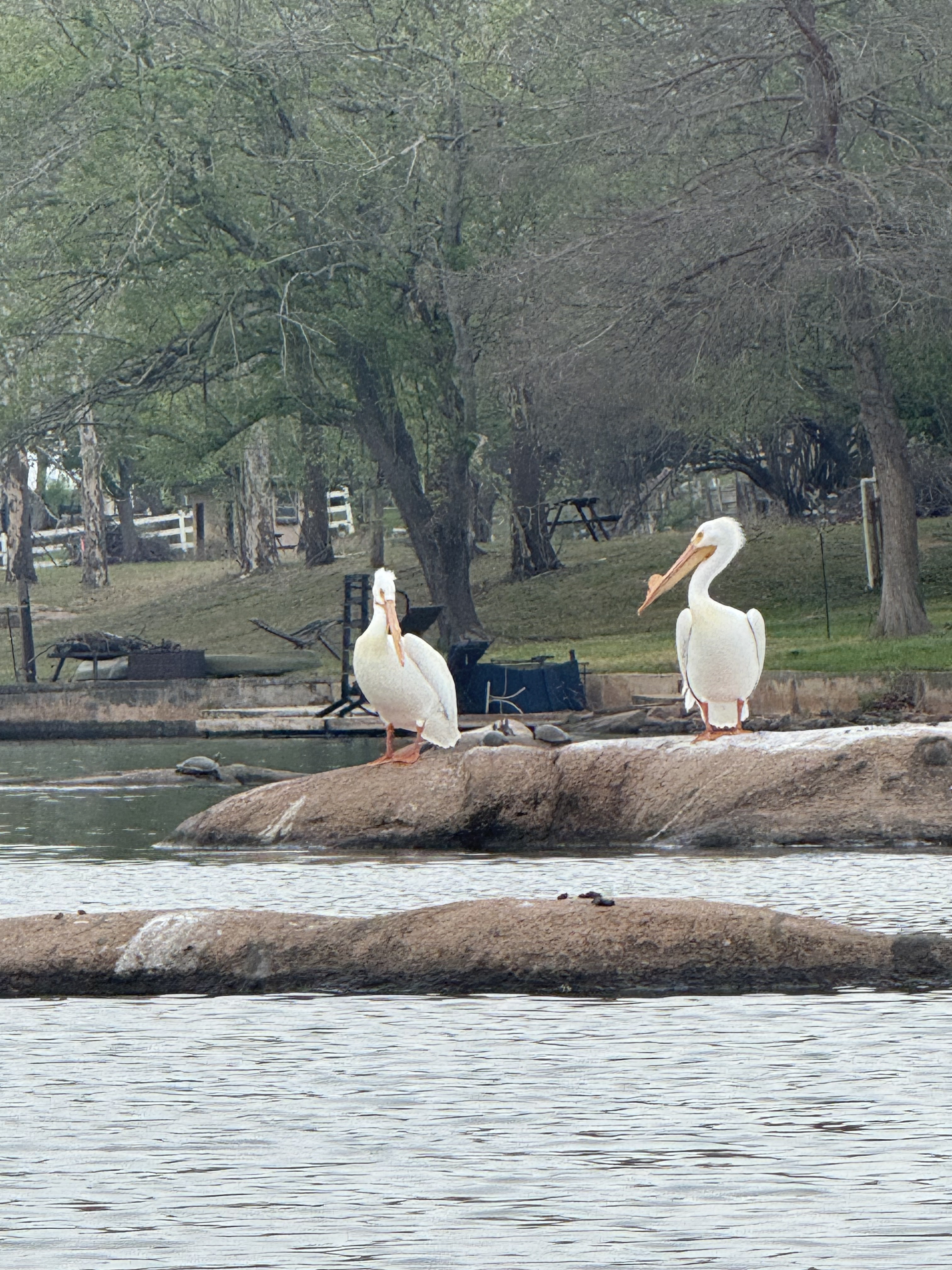
The Colorado River here is calm and spectacular for kayaking. Early in the morning, I found turtles, large flopping fish, Canadian geese, big white pelicans, and six other types of birds I was unfamiliar with. There was always a breeze, and the sound of white water was all around me.
Yet the river was so calm that it was almost flat.
Chasing the sound, I found discharge pipes along one side of the river for about half a mile. The map showed I was moving alongside the Inks Dam National Fish Hatchery. This is part of a national system that restores aquatic species that are in decline, at risk, or otherwise important to our country’s aquatic systems. It is part of the U.S. Fish and Wildlife Service, and I wonder how its workforce has been impacted.
But dear Texas, I’m left with even more questions apart from the F&WL employees.
*When do the mosquitoes arrive? There was none during this trip, and that’s surprising. I grew up on a river, and fighting mosquitoes begins the second the temperature warms up.
* Why, with all the fish flopping around me, are the fishermen catching nothing? These fish are huge. Seriously. I think the guys in these fishing boats and tricked-out fishing kayaks are just getting out of their chores at home. They need to up their game.
* How in the world did pelicans become white? South Carolina is home to the largest number of brown pelicans. But I’ve never seen white ones before. They look like massively overgrown seagulls, but still beautiful, especially in flight.
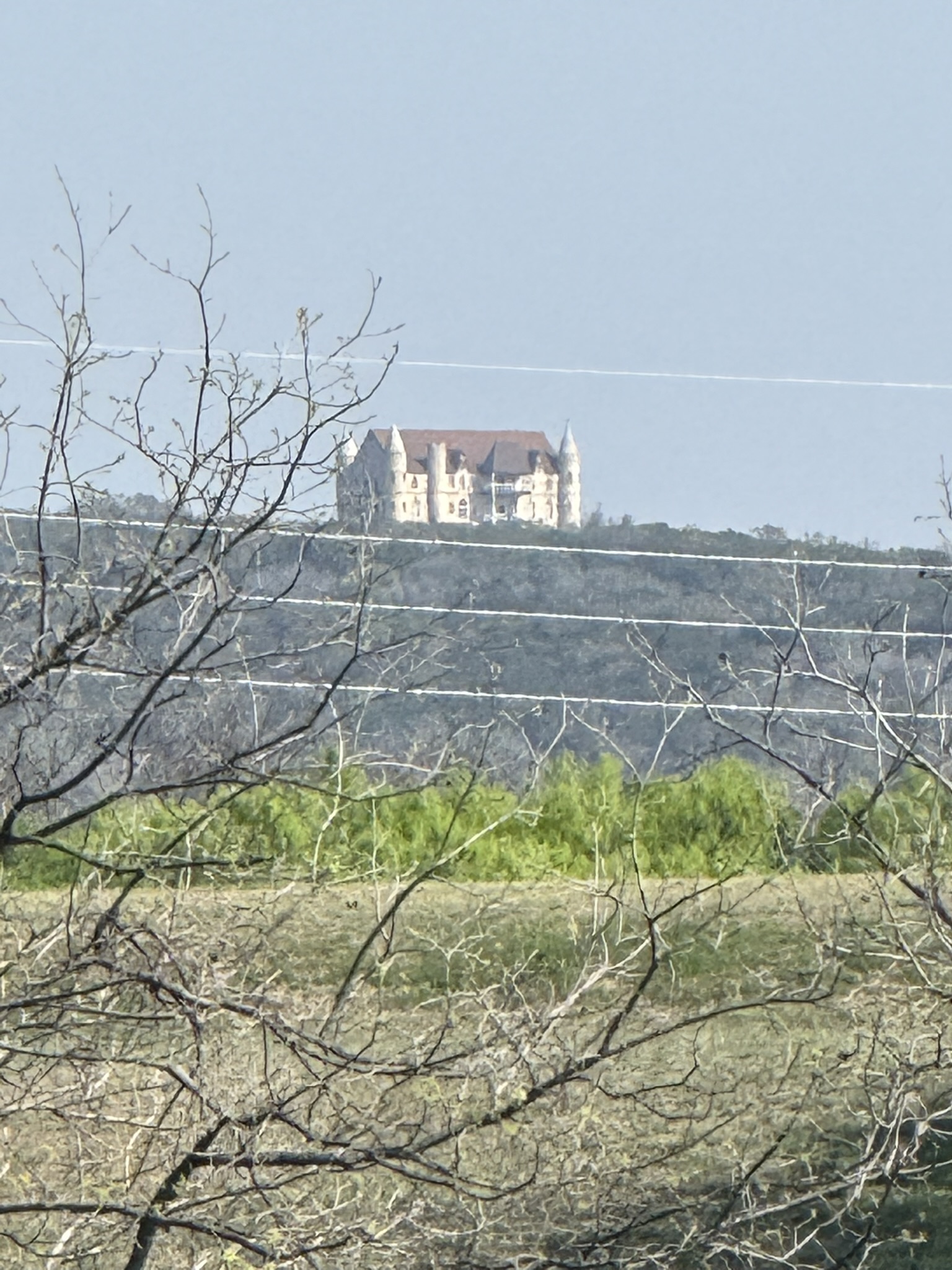
And yes, after driving across the entire state years ago, I thought Texas was completely flat, but I now find there are hills. Staring out the window, I see a solitary mansion perched on the crest of one. Or maybe it’s a vineyard. Who knows. It’s big. And that’s standard, I guess, for Texas.